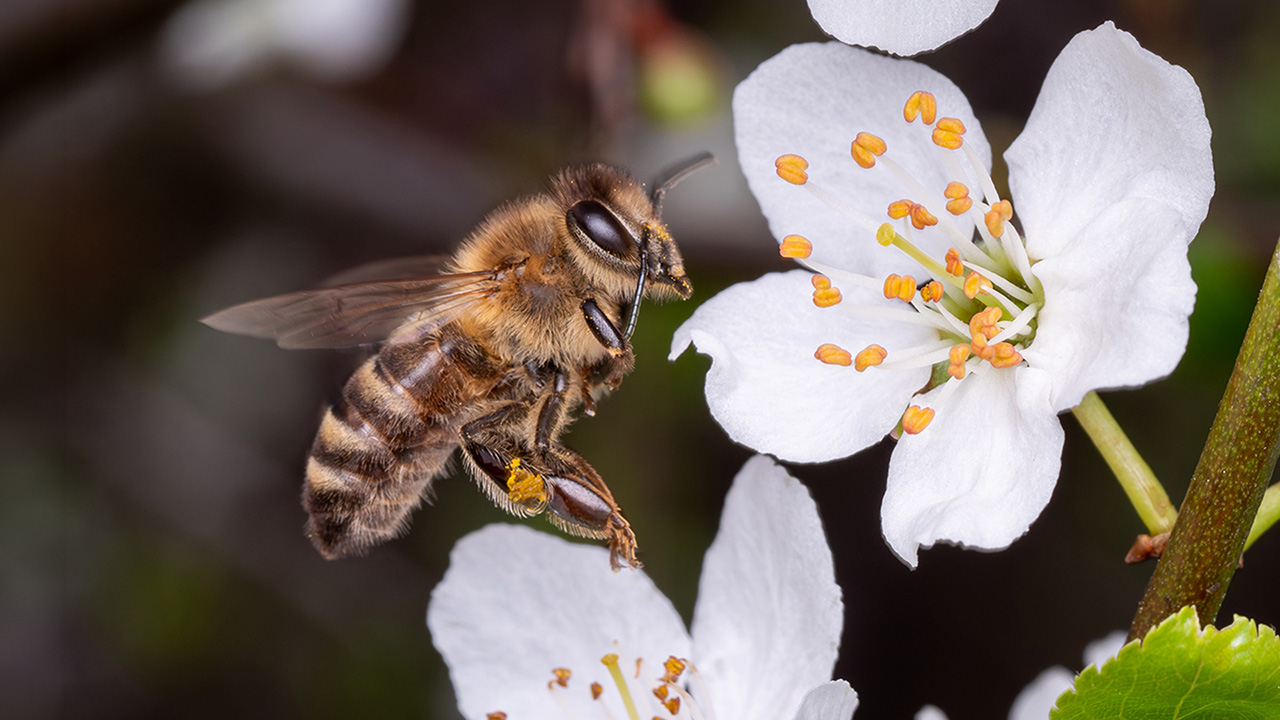

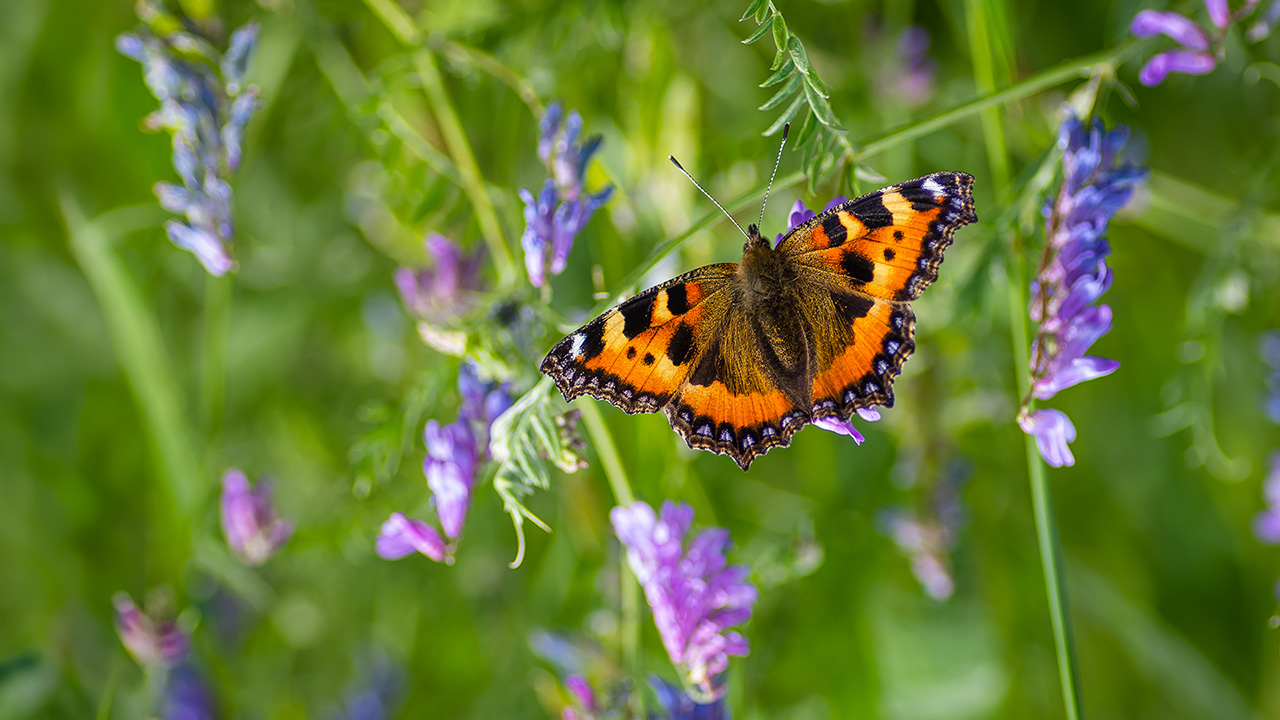
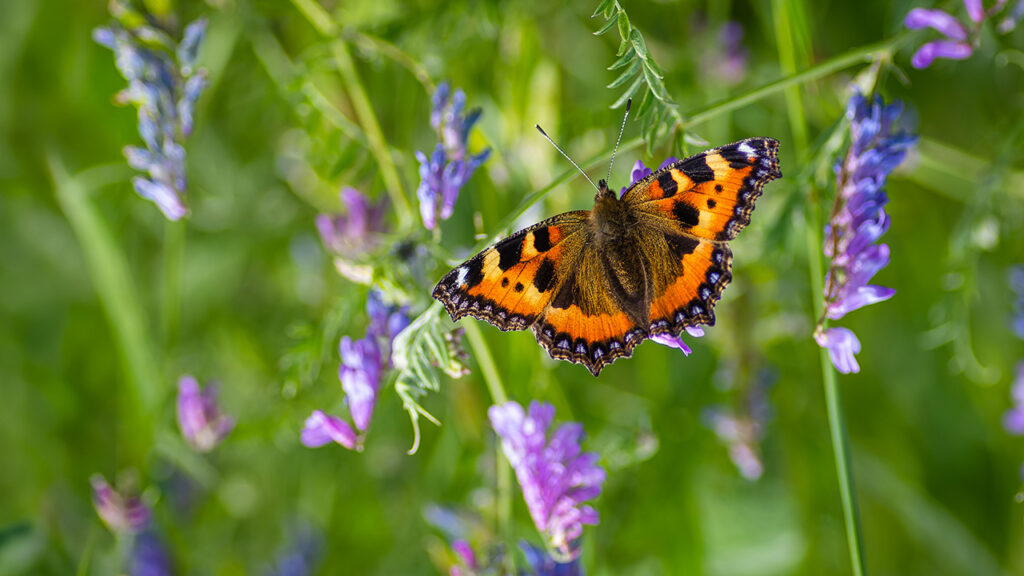
Imagine a flower-filled meadow in the height of spring, yet completely still: no buzzing, no fluttering wings, no sign of life. This scenario isn’t so far from reality. In Europe, over the past 15 years, the number of butterfly species at risk of extinction has nearly doubled due to pesticide use, the climate crisis, and habitat fragmentation. Butterflies aren’t just colorful insects; they are vital bioindicators: their disappearance is the first sign that an ecosystem is breaking down. Let’s explore the role of butterflies and how we’re taking action to protect them.
What are butterflies, and how do they live?
Butterflies belong to the class of insects, and their life cycle is marked by an incredible process of transformation called metamorphosis. It all begins with an egg from which a caterpillar hatches, whose sole activity is to feed in order to grow quickly. Once it reaches the ideal size, the caterpillar transforms into a chrysalis, a phase of apparent rest during which the body completely reorganizes itself until it emerges as an adult butterfly.
There is a critical point in this cycle: dietary specialization. While the butterfly flies from flower to flower to feed on nectar, the caterpillar is extremely selective and often depends on a single plant species. One example is the nettle butterfly, which lays its eggs exclusively on this plant because it is the only suitable food source for its caterpillars. If that specific plant disappears from the area, the cycle is interrupted and the butterfly will never emerge.
What role do butterflies play in the ecosystem?
Butterflies play two irreplaceable roles in maintaining the planet’s balance: they are tireless pollinators and form a fundamental part of the food chain. Biodiversity is, in fact, a network of interconnections where every piece is linked to the next: if butterflies disappear, the consequences are systemic.
The first impact is on the environment. Without pollination, many wild plants are unable to produce the seeds and fruits necessary for reproduction, leading to a gradual decline in natural vegetation. At the same time, the lack of caterpillars and butterflies deprives birds and small mammals of their primary food source. If the base of this pyramid is weakened, the stability of the entire natural system collapses.
The second impact directly affects us humans. Without the pollination carried out by butterflies and other insects, much of the food we eat simply wouldn’t exist. This applies not only to produce like fruits and vegetables, but also to grains and crops used in livestock farming, such as alfalfa and clover. To understand the importance of this process, just consider that 70% of the world’s major agricultural crops benefit from animal pollination.
How do we protect butterfly habitats?
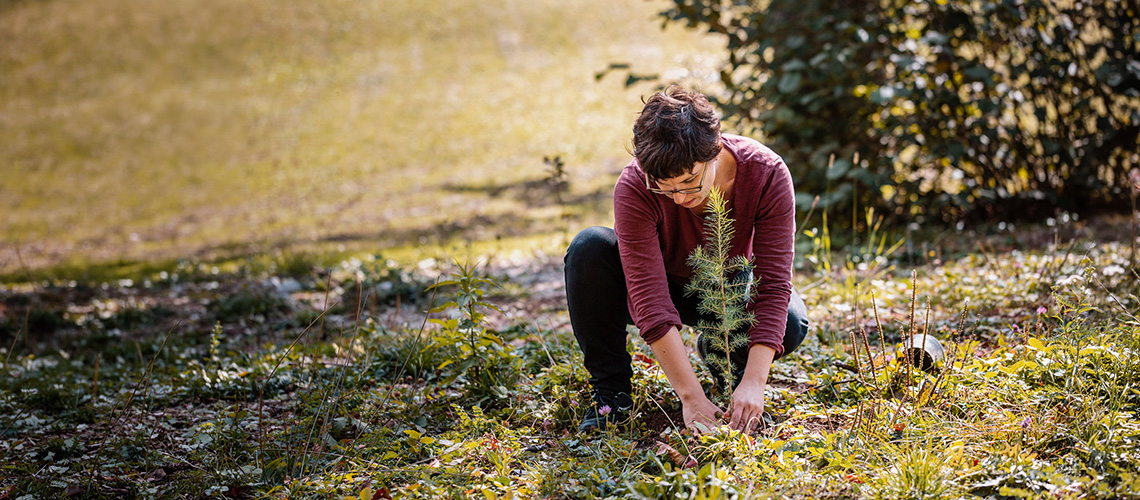
To reverse this trend, the key solution is to focus on habitat restoration. In our reforestation projects, we don’t just plant trees; we design initiatives to combat habitat fragmentation. We transform former farmland or degraded areas into new forests that serve as ecological corridors: true “green highways” that allow insects and animals to move and recolonize areas from which they had disappeared.
At this stage, the key to success is botanical diversity. A generic “green meadow” isn’t enough; specific species need to be included, such as blackthorn. This plant is essential because it blooms in late winter, providing valuable nectar just as temperatures rise and other food sources are still scarce. Selecting the right species using a scientific approach means restoring the network of relationships between plants and animals that ensures the system’s stability.
What role do butterflies play in the ecosystem?
Securing the future of our region means taking informed action today. To learn more about the vital role these pollinators play and discover how science helps us protect them, watch our full video.
In addition, for each project on our website, we highlight the specific actions we take in each area of focus. If you’d like to contribute directly to reforestation and biodiversity conservation, you can choose to adopt or gift a tree.
We look forward to seeing you at our planting events so we can plant the right plant in the right place and work together to restore nature.