
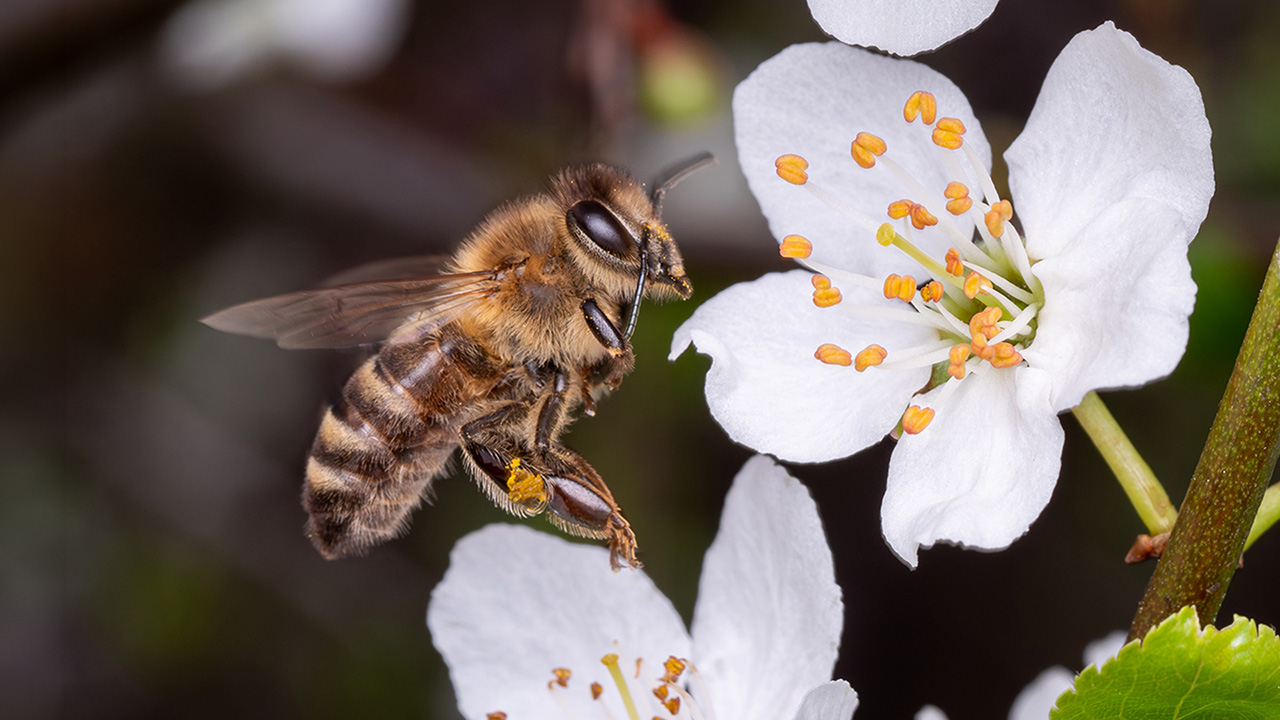
If I say the word “pollination,” I bet the first image that comes to mind is a bee perched on a colorful flower. It’s a beautiful image, but it represents only a small piece of a much larger and more complex mosaic. Many people think that plant reproduction depends exclusively on bees or insects, but the truth is that this is not the case at all. In fact, there are numerous other types of animals that perform this vital task, and we often don’t even realize it. Furthermore, there are flowers that never interact with any living creature; these plants have developed different and incredible strategies for reproducing. Let’s discover together how pollen really travels and why, for some species, a colorful flower would simply be a waste of energy.
The journey of pollen: the beginning of new life
Before delving into the details of how pollination occurs, we need to understand the scientific purpose of this mechanism. Pollination is simply the crucial step that enables the fertilization of the plant and the subsequent formation of the seed. To better understand this process, we can take as an example a shrub that is essential to our forests: the hawthorn. In the spring, this plant is covered with countless white flowers with an intense fragrance. If we look inside one of them, we find the pistil at the center—the female part—surrounded by the stamens that produce pollen, or the male part.
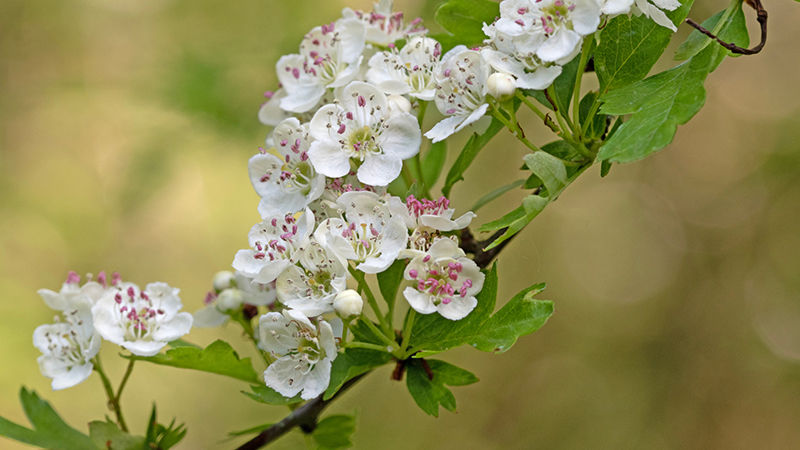
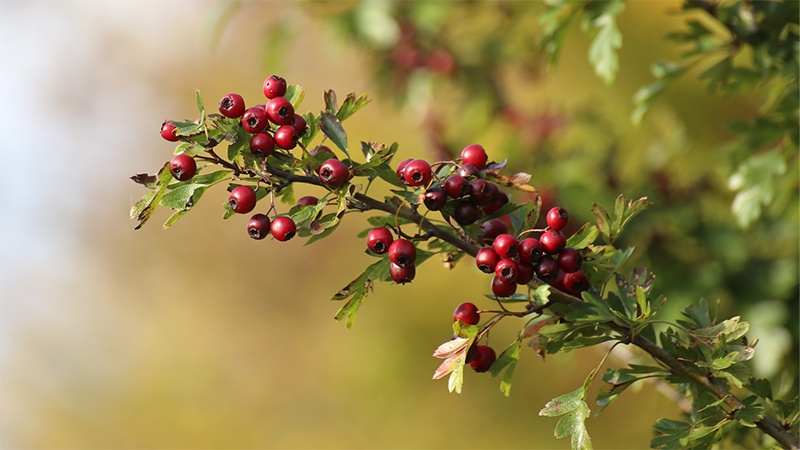
The role of pollen is to travel from one flower to another. When this male part reaches the pistil of another flower, fertilization actually takes place. From that moment on, the flower undergoes a true transformation: the petals fall, and the base begins to swell until it becomes a small fruit. This structure serves to protect the seed inside. It is precisely that seed which, once it falls to the ground, will be responsible for giving rise to a new plant, ensuring the survival of the species and the growth of the forest of the future. Without this step, the cycle of life would come to a halt. But how does pollen travel that distance if the plant can’t move?
Biotic pollination: the partnership between plants and animals
To answer the question of how pollination occurs in the meadows and forests we frequent, we must start with the mechanism we know best: the interaction involving animals, known in biology as biotic pollination. In this scenario, everything is based on a very precise mutually beneficial arrangement: the plant offers a reward, usually in the form of sugary nectar or excess pollen, and in exchange, the animal ensures the transfer of genetic material to another plant.
While insects are the undisputed stars of this process in Italy, if we look beyond our borders, we discover that pollen travels in incredibly diverse ways. There are birds like hummingbirds that pollinate brightly colored flowers, or bats that work at night on blooms that open only in the dark, and even small reptiles or rodents that carry pollen grains attached to their bodies as they search for food.
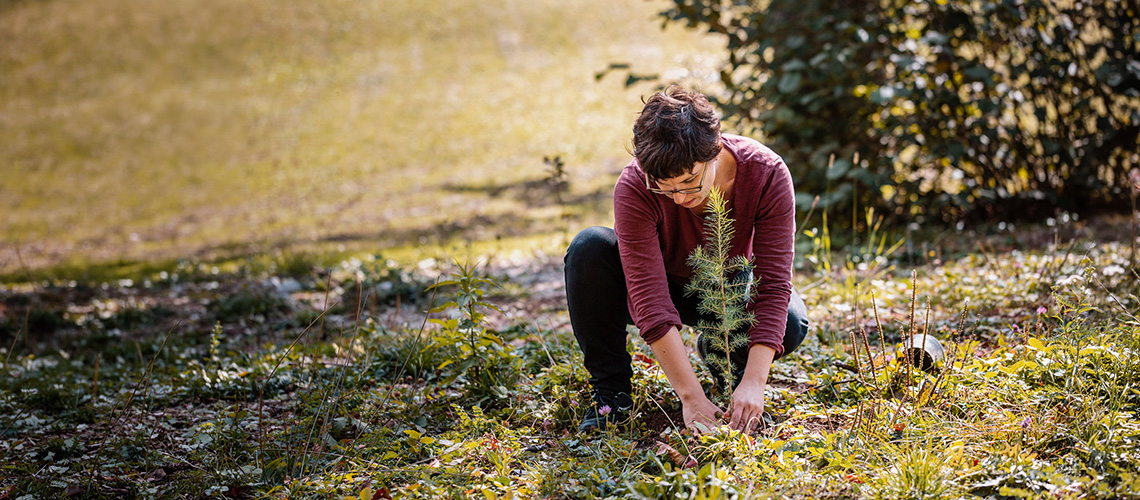
There is a problem, however: this balance is being disrupted. Uncontrolled urbanization is leading to a dramatic fragmentation of habitats, making it difficult for animals to move from one area to another. Added to this are the intensive use of pesticides and the climate crisis, which are putting the survival of pollinators under severe strain. This is where we come in, working alongside citizens, organizations, and businesses. Our goal in reforestation projects is not simply to plant trees, but to restore connectivity across the landscape. We create true ecological corridors to ensure that these animals once again have safe spaces to move and feed, allowing nature to follow its course.
Abiotic pollination: when pollen relies on the elements
But what do all those plants do that don’t rely on animals for reproduction? In this case, we’re talking about abiotic pollination. Here, plants don’t expend precious energy producing colorful flowers, intense fragrances, or nectar, but instead harness the elements of nature through entirely different evolutionary strategies.
The most common strategy is undoubtedly the one that relies on the wind, known as anemophilous pollination. This is the method chosen, for example, by oaks, maples, and nearly all conifers, as well as by grasses such as wheat. These species produce an immense amount of pollen, consisting of extremely light, aerodynamic grains specifically designed to fly. That fine yellow dust that covers everything in the spring is actually the forest itself traveling through the air to generate new life and ensure the genetic diversity of its species.
There is also an even more specific method that answers the question of how pollination occurs in aquatic environments: hydrophilic pollination. This process applies almost exclusively to aquatic plants that rely on the currents of rivers and lakes to carry their pollen. The pollen grains move through the water, following the current until they reach the female part of another plant. These are different pathways, shaped by millions of years of evolution, demonstrating how nature manages to reproduce by making use of every element at its disposal.
Protecting biodiversity and the future of the region
Understanding the various scientific mechanisms that govern plant reproduction helps us realize that nature functions through a dense network of interdependencies. This vast process sustains the biodiversity of the entire planet, from vast mountain forests to flower-filled clearings. Without these constant exchanges—whether carried out by an animal or carried by a gust of wind—we would have no seeds, no new forests, and no food.
Protecting these mechanisms means protecting the balance of our ecosystems and our very future. If you’d like to learn more about this topic and get a closer look at the wonders of natural reproduction, we invite you to watch the full video.
If, on the other hand, you’d like to help us restore these habitats and actively support biodiversity in the region, you can do so through our tree-planting projects. By choosing a tree on WOWnature, you’ll become an active part of the solution for creating new, healthy, connected, and resilient forests.