
There are many reasons to love trees, and these are very often linked to a subconscious sense of well-being that stems from our connection with nature. But beyond a simple ‘love’ of nature, there are countless scientific reasons that underscore the importance of preserving the world’s trees.
What benefits do trees provide?
- They purify the air: plants are the most effective means of limiting the rise in CO2 levels. A mature plant produces enough oxygen in a single year to meet the annual needs of 10 people. Furthermore, depending on the specific characteristics of the species planted, one hectare of plants can remove 20 kg of fine particulate matter and smog in a year.
- They improve water quality: trees collect and filter the water that flows into rivers, lakes, streams and aquifers, thereby enhancing the quality of this vital resource.
- They prevent soil erosion: Tree roots stabilise the soil, preventing landslides, mudslides and erosion, whilst the canopy traps rain and reduces its impact, slowing down the rate at which water reaches the receiving watercourse.
- They regulate the temperature: thanks to the shade they provide and the process of evapotranspiration, trees can reduce summer temperatures by between 2 and 9 degrees Celsius.
- They provide noise protection: trees and plants act as natural barriers that absorb noise; strips of vegetation along roads can reduce noise by 70–80%.
- They help the economy: by providing timber and food, trees provide jobs for a huge number of people!
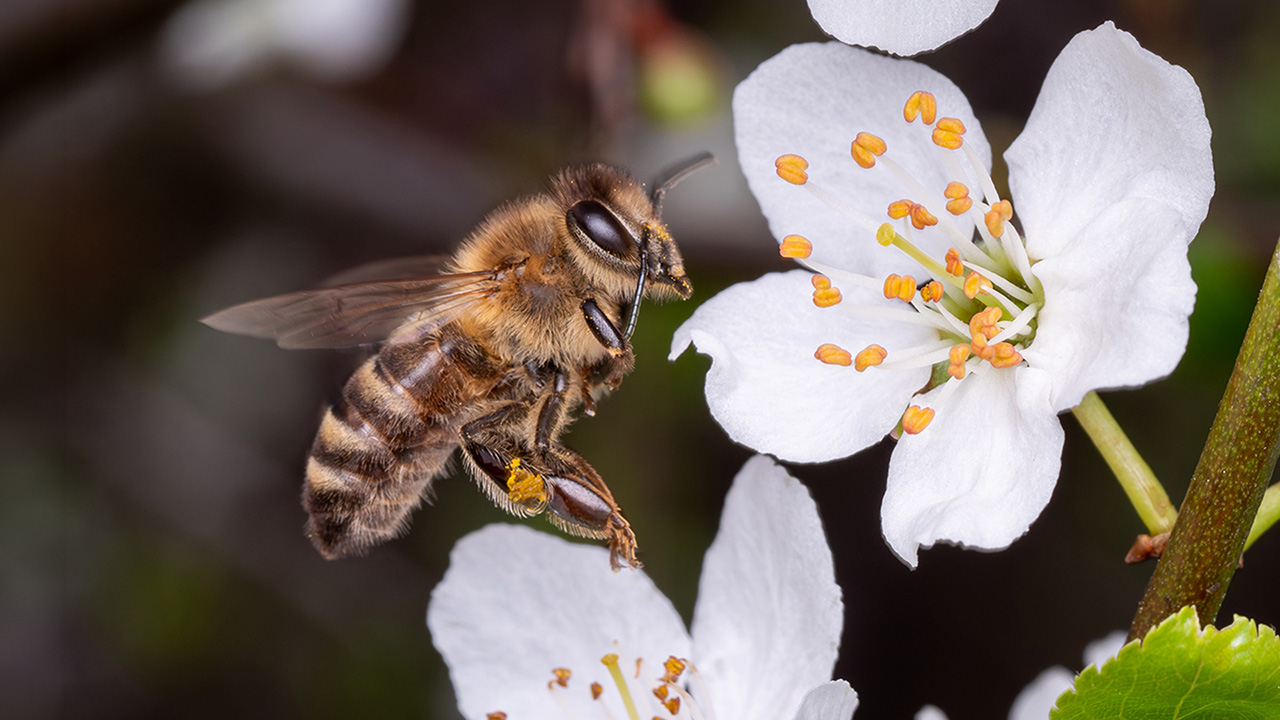
- They enhance biodiversity: countless animals, such as insects, small invertebrates, birds, rodents and various types of moss, live on the trees, in the canopy and on the bark. It is a whole world that must be protected and preserved.
- They contribute to physical and mental well-being: breathing in the forest air is considered a truly beneficial remedy as it stimulates blood circulation, eases breathing, promotes relaxation and reduces levels of anxiety and stress.
- They are our living history: the former State Forestry Corps has recorded over 22,000 monumental trees in Italy – specimens that are at least 250 years old, but in many cases are much older.
Adopt a tree and make a difference
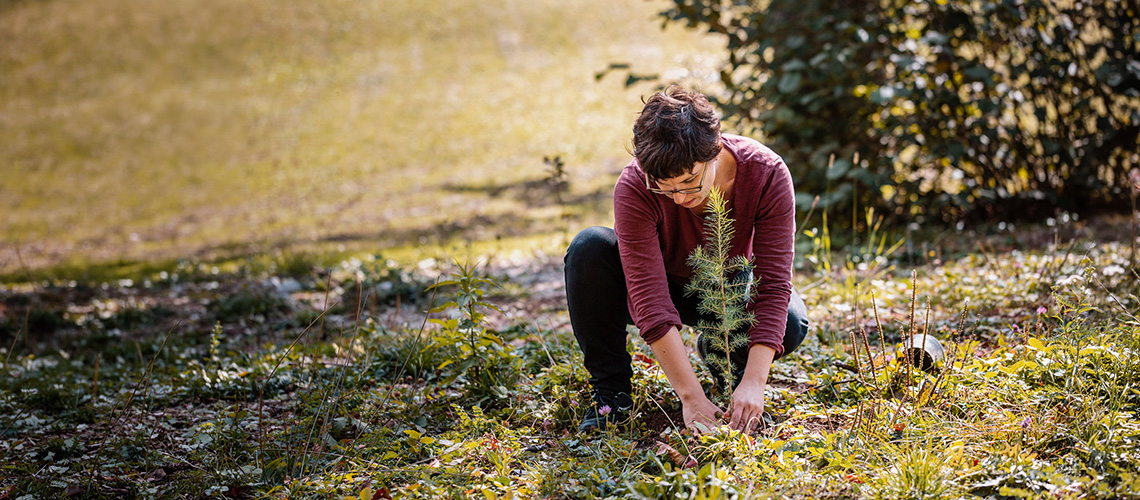
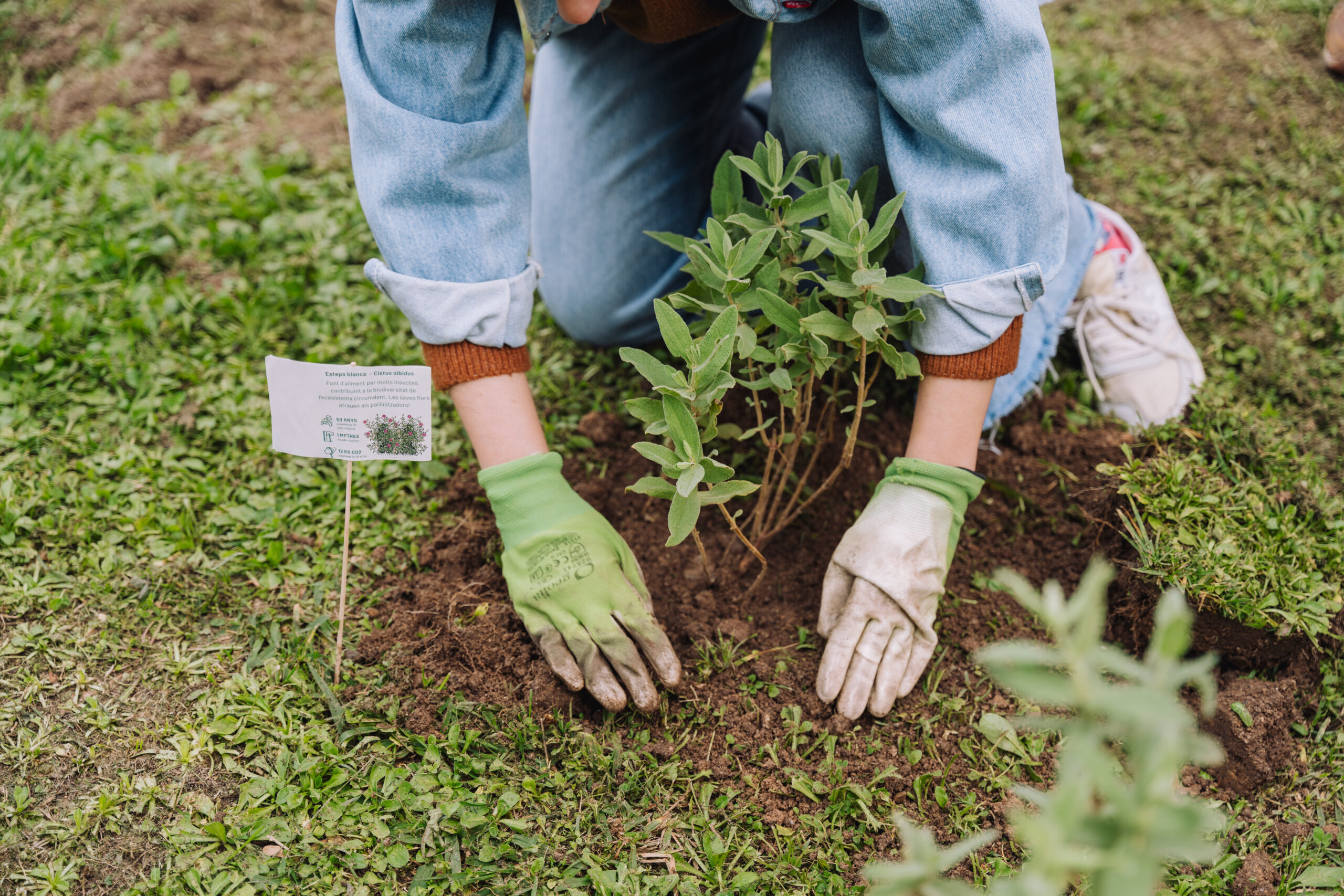
Discover our sustainable reforestation projects and choose to adopt a tree to help us rebuild the essential ecosystem benefits for all of us!