
I bet that if I say the word “oxygen,” the first image that comes to mind is a vast expanse of ancient trees or a tropical forest. From childhood, we’re taught that forests are the green lungs of our planet. But are we really sure that all the oxygen we breathe comes only from plants on land?
We will examine a chemical reaction so extraordinary and vital that, if it did not exist, we simply would not be here: chlorophyll-based photosynthesis. Understanding how chlorophyll-based photosynthesis works will reveal that the production of breathable air hides an incredible secret, and that a “magic formula” is not enough to save this perfect mechanism.
Not just trees: the ocean’s “blue lungs”
To begin with, we need to dispel a common misconception: not all oxygen comes from terrestrial plants. Of course, forests are irreplaceable allies, and it’s always worth exploring why trees are important for our ecological balance. According to 2025 FAO data, approximately 32% of the Earth’s total land area is covered by forests—that’s 4.14 billion hectares of photosynthesizing plants capable of releasing oxygen into the air. We are therefore quite right to consider forests the lungs of the Earth.
The true oxygen superheroes, however, are to be found—surprisingly—in the seas and oceans! In fact, our planet’s seas are home to algae and marine phytoplankton, tiny, nearly invisible organisms. This “blue lung” forms the foundation of the ocean food web and drifts along with the ocean currents.
Just like land plants, phytoplankton grows through photosynthesis, using light energy to convert inorganic matter into organic matter. Consider this: although phytoplankton accounts for only 1% of global plant biomass, it produces about 50% of all the oxygen we breathe. Half of the breathable air that keeps us alive right now comes from the sea.

The Chemistry of Life: How Does Photosynthesis Work?
But in practical terms, how does chlorophyll-based photosynthesis work? It is a complex chemical reaction involving many intermediate steps, products, and byproducts, but the scientific concept itself is actually quite simple.
The process consists of a few simple steps:
- Carbon dioxide enters the leaves: through tiny openings on the leaves called stomata, carbon dioxide from the atmosphere enters the plant cells.
- Chlorophyll captures solar energy: inside the cells are tiny organelles called chloroplasts, which contain plant chlorophyll. This pigment is responsible for the green color of leaves and for capturing sunlight in the form of particles called photons.
- The splitting of water molecules: Plants use solar energy from photons to split the water molecules (H₂O) present in raw sap into oxygen (O₂) and hydrogen (H).
The end result is the production of glucose (C6H12O6). After photosynthesis, raw sap is transformed into processed sap, which is essential for plant nutrition and growth. And what is the byproduct of this process? That’s right: oxygen!
What is simply “waste” to them is the essential element that allows us to live: a perfect exchange.
Here is the balanced chemical equation for the process:
6CO2 + 6H2O + light = C6H12O6 + 6O2
The Climate Crisis and the Myth of the “Billion Trees”
However, the climate crisis we are currently facing further complicates matters. Human activities are increasing the concentration of greenhouse gases in the atmosphere, particularly carbon dioxide. In 2023, CO₂ levels reached a concentration 51% higher than pre-industrial levels (prior to 1750).
This increase isn’t just a problem for the air we breathe! Since the 1980s, the ocean has absorbed about 20% of total anthropogenic carbon dioxide emissions, altering the chemical composition of seawater and triggering ocean acidification. This change is causing serious problems for our marine superheroes and oxygen producers.
Plants on land aren’t faring much better! Heat waves, droughts, and extreme weather events are all factors that stress and weaken vegetation. Precisely because of the vital role forests play in carbon sequestration, we often hear people say, “Let’s plant a billion trees—that’ll solve everything!”
Be careful—this is nothing more than a myth! Sure, planting trees is vital for absorbing CO₂, but it’s not a magic solution. If we don’t tackle emissions reduction at the root and if we don’t manage the forests we already have properly and scientifically, planting trees haphazardly won’t make a difference. If you’d like to learn more about this, you can read our article on how much CO₂ a tree absorbs and why it matters.
Acting in accordance with the scientific method
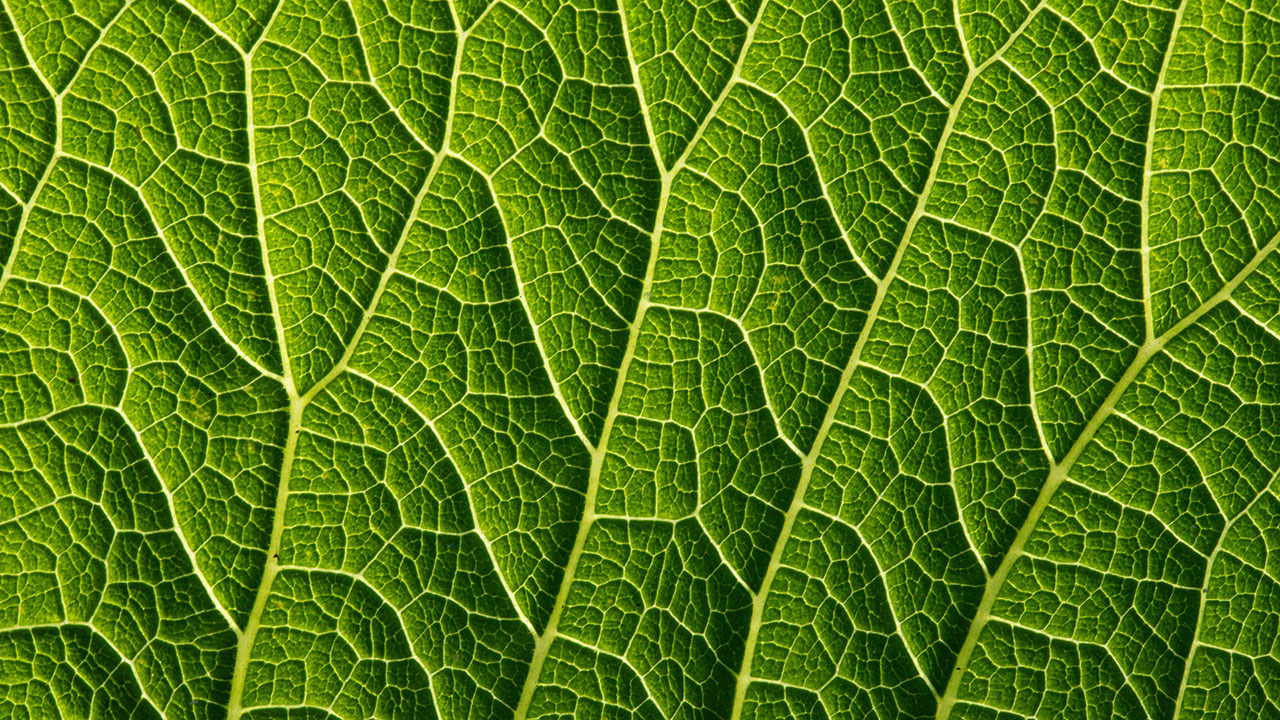
Photosynthesis and climate balance hold many other fascinating details and visual dynamics, which we’ve illustrated in our latest video. Would you like to take a closer look at a cross-section of a leaf, understand exactly where the stomata and chloroplasts are located, or discover the difference between forest growth rates and resilience?
In the video, you’ll find a comprehensive visual explanation and insights from our technicians, offering a close-up look at nature’s energy engine.
Protecting forests (the green lungs) and oceans (the blue lungs of our planet) is not just a symbolic gesture, but a matter of collective survival. It is not enough to simply plant trees at random: we must protect marine and forest ecosystems by responsibly managing the habitats that sustain us.
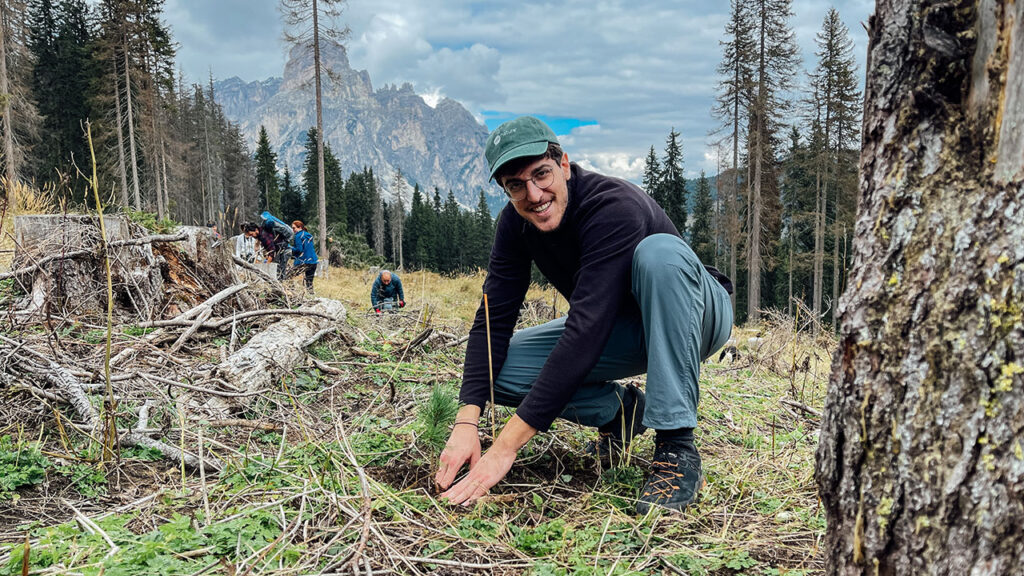
This is exactly what we do at WOWnature, starting with a professional and scientific approach to our projects, as we explain in our guide on reforestation: what it is, its benefits, and how to get involved in concrete projects. Supporting our projects doesn’t mean planting just for the sake of planting, but contributing to the creation of complex forest ecosystems, rich in local biodiversity, designed to last and evolve over time, to be resilient to change, and capable of absorbing CO₂ as effectively as possible.
Want to play an active role in the solution? Choose your favorite forestry project on our website, adopt a tree, and join us in helping to restore the land. We look forward to seeing you out in the field!