
Green areas, large or small, help reduce air pollution and keep summer temperatures in check, while also becoming a refuge for dozens of animal species. A treasure to protect and grow.
Green areas, large or small, help reduce air pollution and keep summer temperatures in check, while also becoming a refuge for dozens of animal species. A treasure to protect and grow.
Urban areas will be increasingly populated in the future. It is estimated that almost 70 percent of the world’s population will be living in cities by 2050. A real challenge that humanity will have to face in order to provide not only essential services, such as water and food, but also healthy places to live: trees and urban forests could be the answer to reducing air pollution, keeping summer temperatures down and improving the wellbeing of city dwellers.
Urban forests, for more liveable cities
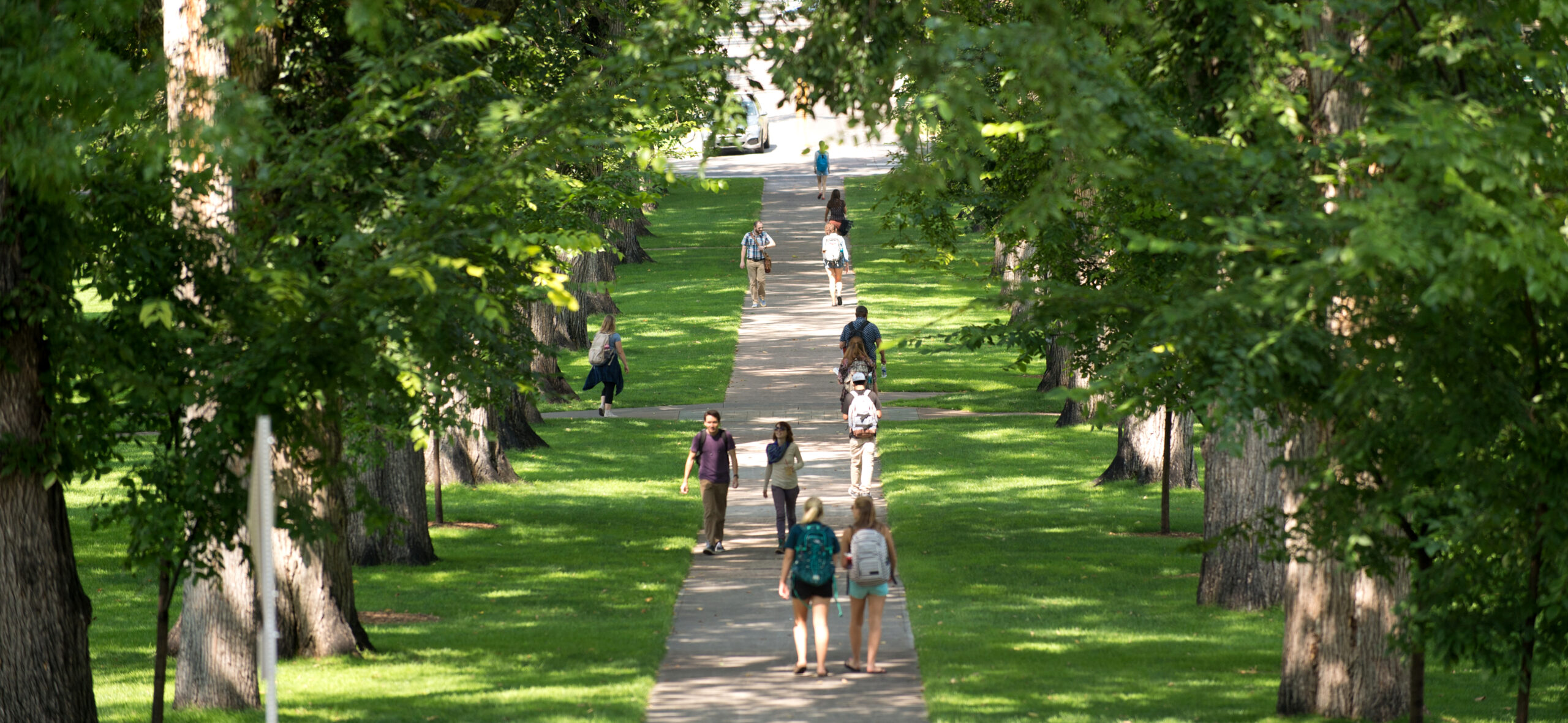
Urban forests can be defined as an ecological system encompassing groups of trees and individual trees located in urban and peri-urban areas; they therefore include woodlands, street trees, trees in parks and gardens, and those growing in abandoned corners.
Urban forests are thus the backbone of cities and play a fundamental role in the sustainable development of urban areas (Guidelines on Urban and Peri-urban Forestry, FAO).
Trees in cities improve air quality because they act as a filter for atmospheric pollutants. Numerous studies have demonstrated their effectiveness depending on the species and the size of the canopy. What emerges from these studies is that, among the tree species most commonly found in our cities or their surroundings, certain species of cypress, pine, plane tree, ash, maple, willow, elm, linden and yew perform particularly well.
Urban forests as climate allies
What’s more, urban forests are the best ally in mitigating climate change: planting 100 million trees in cities over the next 50 years could allow the storage of over 357 billion tonnes of CO₂. Meanwhile, proper planning and management of urban trees can reduce air temperature by between 2°C and 8°C.
But it is not only environmental aspects that need to be considered. It is estimated that for every dollar invested in trees, there is an economic return of 2.70 dollars in community benefits. A similar study carried out in the United Kingdom estimates that every pound spent on planting a new tree can generate economic savings seven times greater for the entire community.
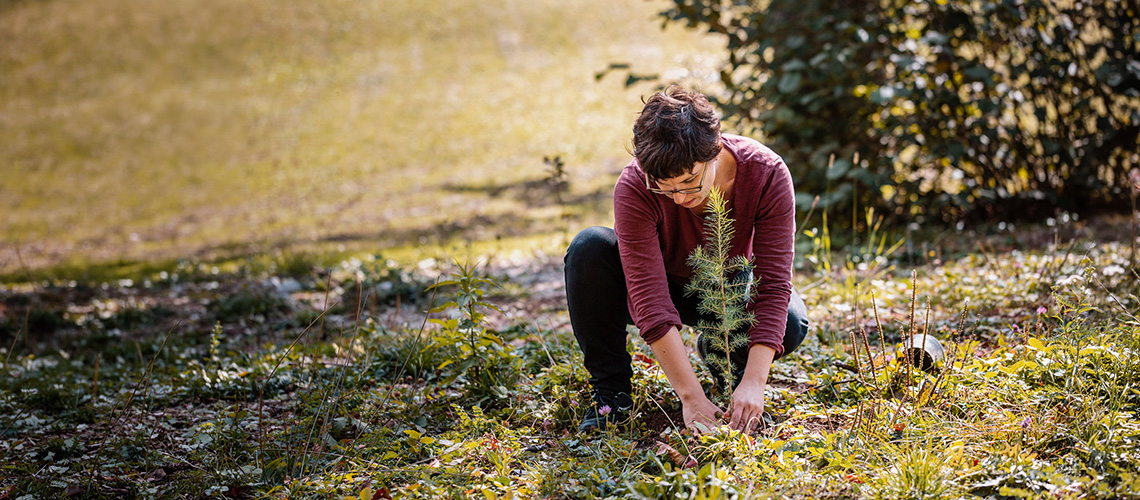
That is why we at WOWnature want to grow as many trees as possible in your city — with your help, of course!Ecco perché noi di WOWnature vogliamo far crescere quanti più alberi possibile nella vostra città, ovviamente col vostro aiuto!