
A researcher counted the trees in the world, discovering there are more than expected and that there is still plenty of room to plant new ones.
3 trillion. To be precise, 3,040 billion trees exist in the world. An enormous number that is hard to imagine, but one that comes as a relief, because it is seven times larger than previously estimated. Of course, researchers did not count them one by one; instead, using satellite imagery and modelling techniques, the team at the Global Ecosystem Ecology ETH research centre in Zurich managed to produce a fairly precise estimate.
Where are the world’s trees found?
The tropical zones undoubtedly top the list, home to around 1,300 billion trees: the planet’s largest forests, the true lungs of the Earth. Evergreen too, though in a different shade, are the trees found in temperate zones and especially in boreal ones, where 740 billion are counted. It is worth noting that humans still cut down around 15 billion trees every year, while planting only 5 billion. We are effectively still running a deficit.
More trees, less CO₂
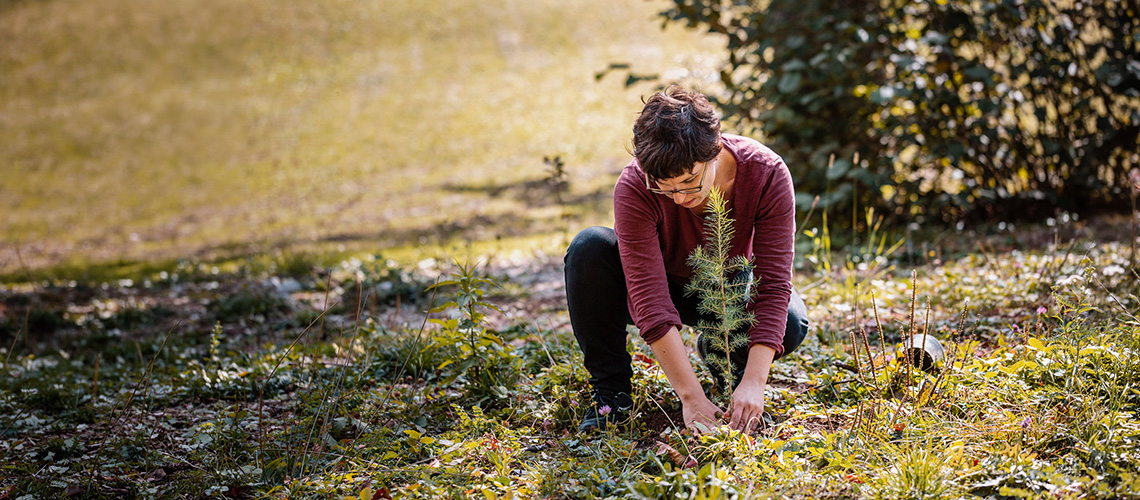
But if there are more trees than expected, it means they can absorb more carbon dioxide and therefore help reduce CO₂ emissions. By absorbing this gas, trees can grow while also storing it throughout their entire lifecycle. According to Thomas Crowther, one of the authors of the research, planting billions of new trees worldwide could help us absorb the amount of CO₂ emitted by human activities over the course of a decade — around 400 gigatonnes per year. This makes another analysis by the Swiss researcher all the more welcome: he asked how many more trees could still be planted in the world. Calculating the available space, it would be possible to plant a further 1,200 billion new trees, thereby also restoring forests that have since been lost.
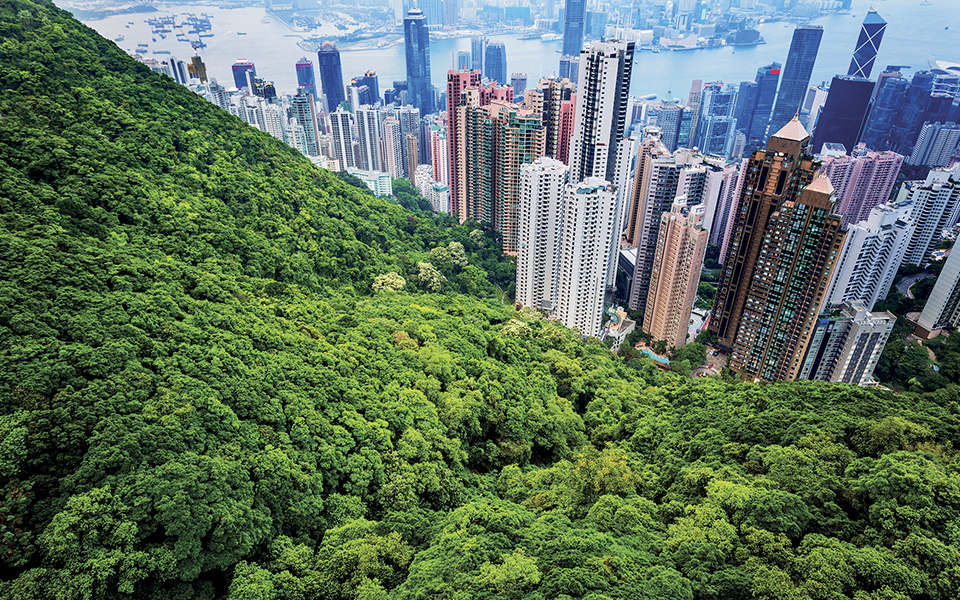
These are the so-called nature-based solutions — parks, urban woodlands, green areas, and green facades and rooftops on buildings. Trees and green spaces are also capable of absorbing pollutants and lowering summer temperatures, as well as reducing the risk of flooding. On top of that, they provide shelter for biodiversity and offer opportunities for gathering and socialising, thus improving the wellbeing of all of us who love spending time in them.