
The chestnut tree grows across most of Italy, from the hills to the lower mountain slopes, along the Alps and the Apennines and on the islands. Chestnut woods account for more than 9% of Italy’s forests: an area almost as large as Umbria.
These are no ordinary woods. For centuries, the chestnut was the bread tree of mountain communities, and the chestnut woods we see today are the result of generations of care. That’s also why they’re fragile: when people stop looking after them, the forest deteriorates. In this article, we explore where chestnut trees grow, how to identify them and why restoring abandoned chestnut woods matters to us all.
Where do chestnut trees grow in Italy?
The chestnut tree (Castanea sativa) needs two conditions: a mild climate and sandy, slightly acidic soil where water drains away rather than collecting. In Italy, it finds these conditions mainly between 400 and 900 meters above sea level, from the hills to the lower mountain slopes.
That’s why it is common throughout the Alps, along the entire Apennine range and on the islands, but is almost absent from the plains: you won’t find it in the Po Valley, for example. The regions with the most chestnut woods are Piedmont, Tuscany, Liguria, Lombardy and Calabria.
How to identify a chestnut tree (and tell it apart from a horse chestnut)
To identify a chestnut tree in the field, look for three features:
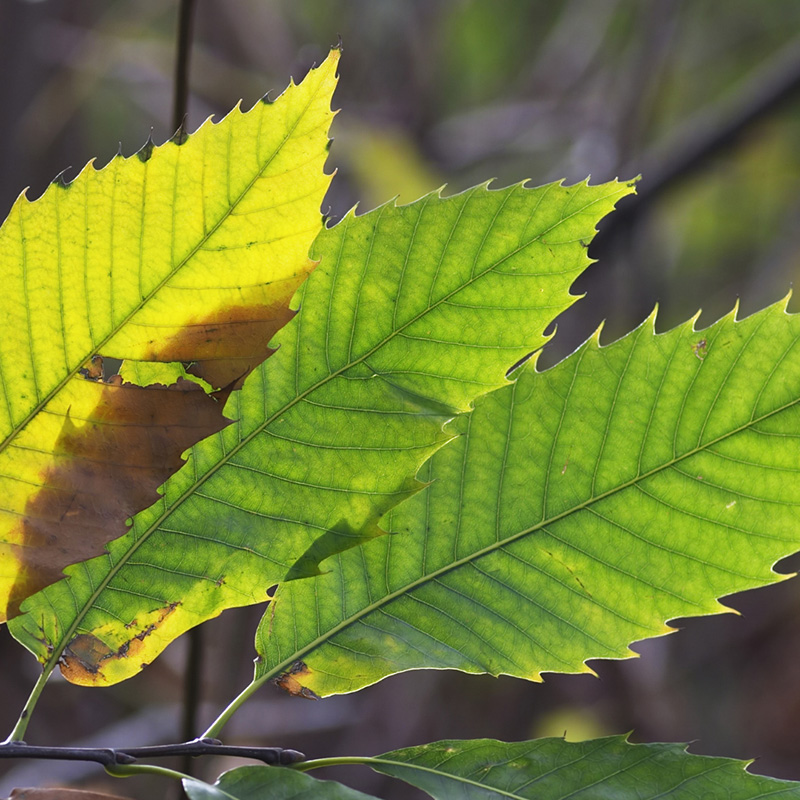
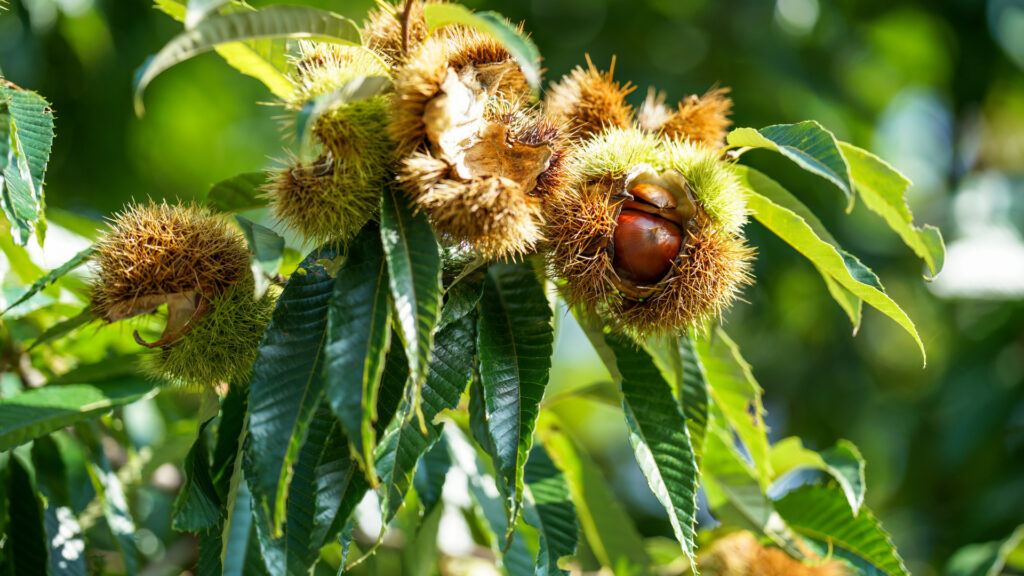
- Leaves: large and lance-shaped, up to 20–22 cm long, with sharply serrated edges and evenly spaced teeth.
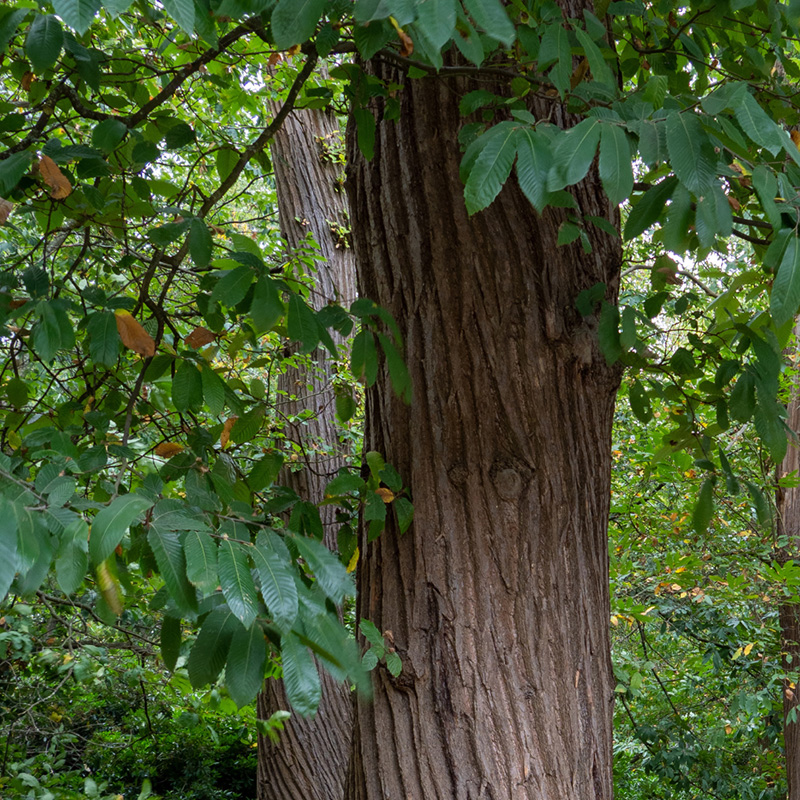
- Bark: smooth on young trees; on older trees, it develops deep vertical grooves that spiral up the trunk.
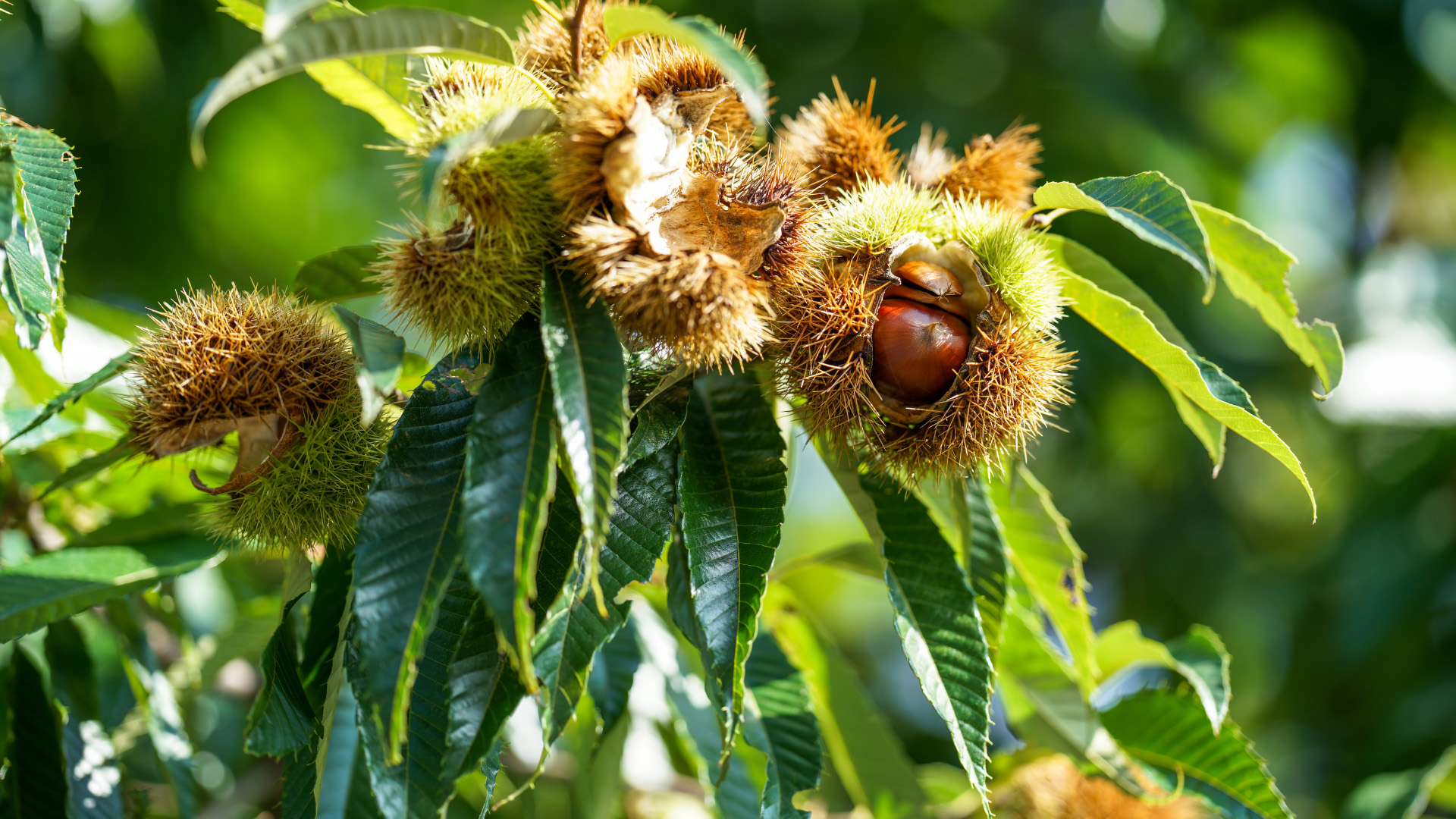
- Fruit: chestnuts grow inside a burr covered in fine, sharp spines and always have a small hairy tuft at the tip.
The most common mistake is to confuse it with the horse chestnut, a tree often found in parks and along avenues. Its fruits, known as “conkers”, are toxic: they have a green casing with a few short, thick spines and contain a round, shiny seed without a tuft.
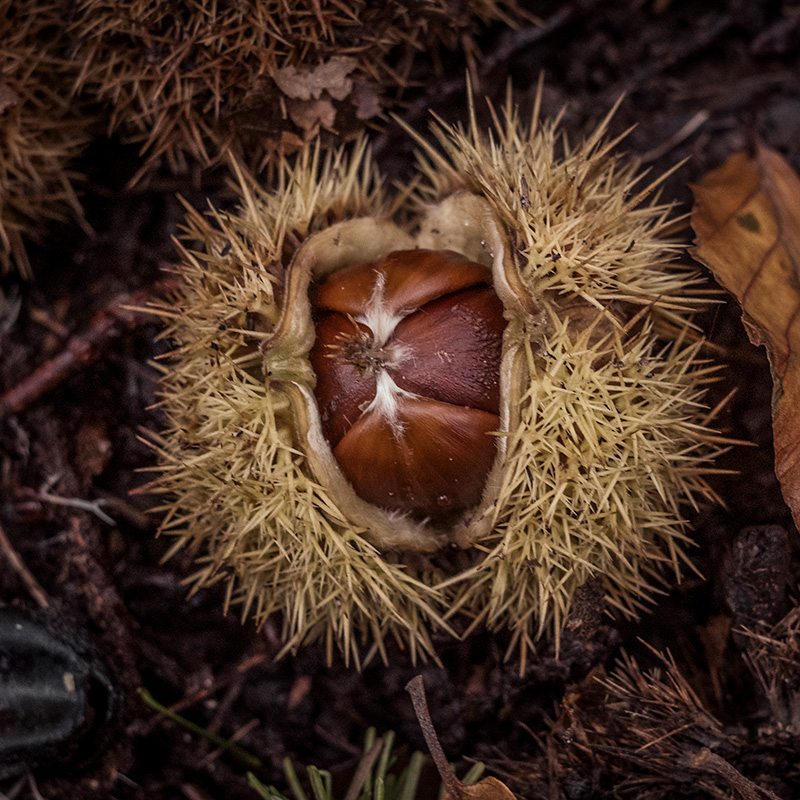
The bread tree: why chestnut woods matter
For centuries, in valleys where wheat struggled to grow, chestnuts provided the food people needed to get through winter. They were eaten boiled or roasted, but above all they were dried and ground: chestnut flour was used to make bread, polenta and desserts. The strong, durable wood was turned into house beams, wine barrels and vineyard stakes.
That’s why Italy’s chestnut woods are, in every sense, a landscape shaped by people. The chestnut orchards were mountain groves with large, widely spaced trees tended each year for the harvest. Other, denser chestnut woods were periodically cut for timber. In both cases, their existence depended on the constant work of people living in the mountains.
A chestnut tree is a long-term investment: it takes at least 15 years to start bearing fruit and many more before its chestnuts are at their best.
Why chestnut woods are abandoned and what happens to them
After the Second World War, people left the mountains and chestnut woods lost the people who cared for them. As a result, a full 36% of Italy’s chestnut woods are now neglected or completely abandoned: more than a third of this natural heritage.
An abandoned chestnut wood doesn’t disappear overnight, but gradually loses its balance. The canopy closes and light can no longer reach the ground, brambles invade the understory, and the trees weaken. They then become vulnerable to pathogens such as chestnut blight, a fungal disease that can kill the tree.
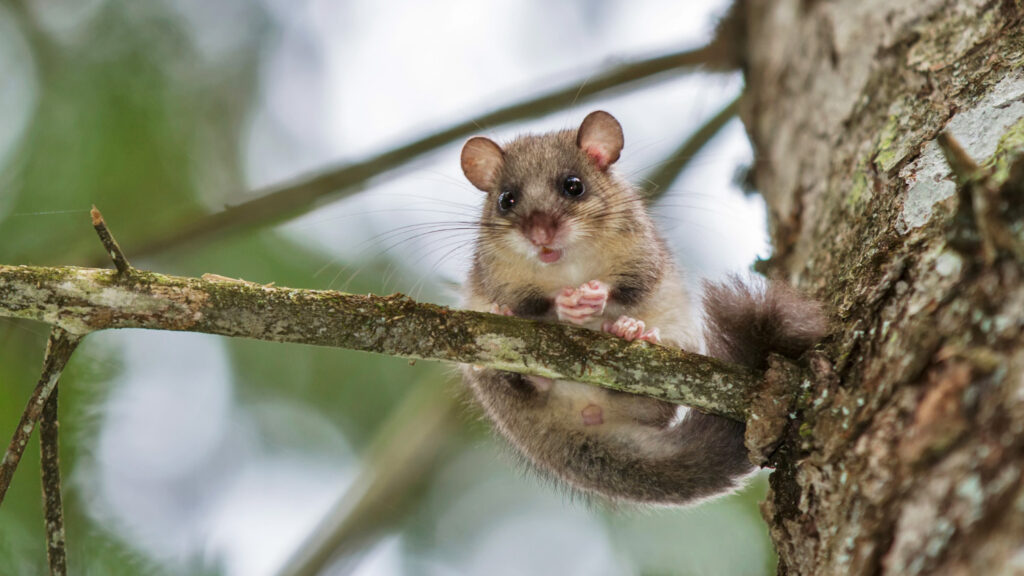
Chestnut and timber production aren’t the only things at risk. Old chestnut trees, with their hollow trunks, provide shelter for bats, birds and small mammals such as dormice. This wealth of biodiversity has led chestnut woods to be recognized as a habitat of European importance, protected by the Natura 2000 network since 1992. There’s also a less visible heritage: the more than 600 chestnut varieties selected over the centuries, which risk disappearing along with the woods that harbor them.
How to restore a chestnut wood: active forest management
Restoring a chestnut wood means managing it again using science-based methods. In forestry, this is known as active forest management, and it’s at the heart of the European LIFE ClimatePositive project, through which we support forest managers with practical measures:
- pruning old chestnut trees to remove diseased branches;
- clearing excess dead wood from the ground to reduce the fuel load for fires;
- thinning where there is too much shade, to let light back in and help the understory recover.
A managed chestnut wood becomes a natural infrastructure that benefits the surrounding area: its deep roots hold the soil in place and reduce the risk of landslides, while its wood absorbs and stores CO₂.
The case of Valle Averara, in the upper Brembana Valley
In 2022, in the province of Bergamo, the municipalities of Averara, Cusio and Santa Brigida and several private landowners founded the Consorzio Forestale Valle Averara to jointly manage 1,500 hectares of woodland previously divided into many small properties.
The valley is home to ancient chestnut orchards with trees up to 400 years old. Since 2015, a group of residents has been restoring them through the “Castagneto Aureo” project: reopening trails, restoring dry-stone walls and rural buildings, and planting new chestnut trees. Today, the chestnut wood hosts volunteer work, educational activities with schools and universities, and cultural events.
In 2026, the consortium received support from the Forest Association Contest, promoted by FSC Italia and the Lombardy region as part of LIFE ClimatePositive. It has since begun the journey toward FSC certification and measured the ecosystem services its forests provide: carbon storage, biodiversity, protection of springs, waterways and soil, and recreational value for visitors.
Watch the full video and take action
In the video, we take you into Italy’s chestnut woods: from their history and how to identify a chestnut tree to the work bringing abandoned groves back to life.
Chestnut woods are a natural and cultural heritage that cannot look after itself. Caring for them again means protecting the soil, water and biodiversity of our mountains, as well as part of our history. And Valle Averara is not an isolated case: through LIFE ClimatePositive, we work with forest associations in Piedmont, Lombardy, Veneto, Tuscany and Molise.
Want to help too? Adopt a tree with WOWnature and help us regenerate the forests that need it most. See you in the forest!