Take the 100 largest cities on our planet: when we think about their taps, most people picture huge technological plants or artificial reservoirs. The truth is that only 15% of these metropolises get their water from seawater desalination or from wells in desert areas. All the rest, a full 85% of the world’s major cities, quench their thirst thanks to water that comes directly from woods and mountain forests!
If glaciers are our Planet’s true reservoirs, forests are literally our natural taps. But what happens when this natural sponge disappears? The answer is simple: when tree cover is lost, the water balance of an entire territory collapses.
To address this challenge, Forest Effect was born, the WOWnature series that measures the visible, scientific impacts of our reforestation projects. Through this series we show why a tree does far more than simply capture CO₂, generating complex benefits in many different ways.
In this episode dedicated to the water cycle, we will discover what happens to water when we lose the forest, how trees regulate water reserves and how our projects in the field are securing the sources on which we all depend.
How forests regulate the quantity and quality of water
The work carried out by an entire forest to protect water reserves is divided between quantity and quality.
As for quantity, tree canopies intercept energetic rainfall, slowing the fall of the drops and preventing the soil from being washed away. But above all, roots keep the soil porous. Without plant cover, summer droughts dry out the soil and make it impermeable; when violent rains then arrive, the water cannot penetrate and runs over the surface, causing floods. The forest breaks this process, allowing water to infiltrate deep down and recharge the underground aquifers that save us during the months of drought.
As for quality, the forest is a highly efficient natural purifier. FAO data confirm that investing in the protection and restoration of forests in water catchments reduces sediments and pollutants in the water by more than 10%. Science shows us that nature is a real investment: every single euro invested in Nature-Based Solutions generates between 3.5 and 5.6 euros of total economic value for the territory. Despite these data, globally only 12% of forests are managed today with the primary goal of protecting water and soil.
What happens to the territory when we lose forests
To understand what happens when forest cover shrinks, we must imagine the territory as a large natural basin: the river basin, that is, the area that collects the rain falling on the mountains and channels it towards a single river.
In a FAO report, 230 large basins around the world that lost more than 50% of their tree cover were analysed. The results show three main vulnerabilities:
- soil erosion: in 88% of basins, without the grip of roots, rain washes away the most fertile layer of the soil. This deprives agriculture of its main source of nourishment and fills watercourses with mud;
- fire risk: in 68% of cases, the loss of trees breaks the forest’s humid microclimate. Without the shade and protective humidity of the canopies, vegetation dries out quickly and becomes a powder keg;
- water crisis: in 48% of basins, without trees pushing water deep into the ground, rain runs quickly to the sea, preventing aquifers from recharging and leaving communities with scarce water in dry periods.
From science to the field: the BioClima project
Turning this science into real action is what we do every day in the field. A concrete example is BioClima, a large project carried out with the support of Fondazione Cariplo and Regione Lombardia to restore the hydraulic function of lowland woods and wetlands.
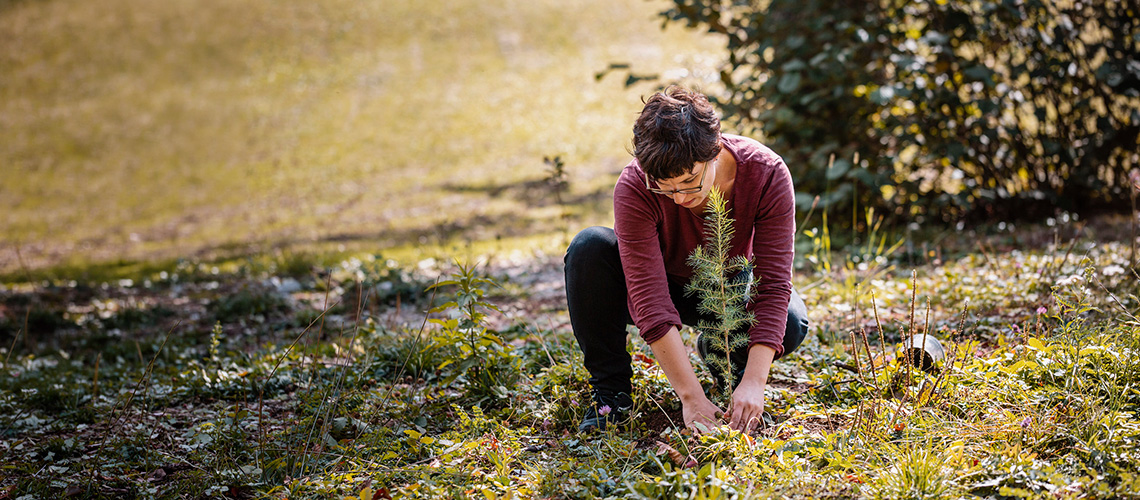
We took action in 12 Parks and Nature Reserves along key rivers such as the Po, the Ticino, the Adda, the Oglio and the Serio. BioClima’s numbers tell of a measurable impact: over 300 hectares of land restored and more than 66,000 native plants planted, thanks to the involvement of 100 partner companies and over 1,500 citizens during 40 public planting events.
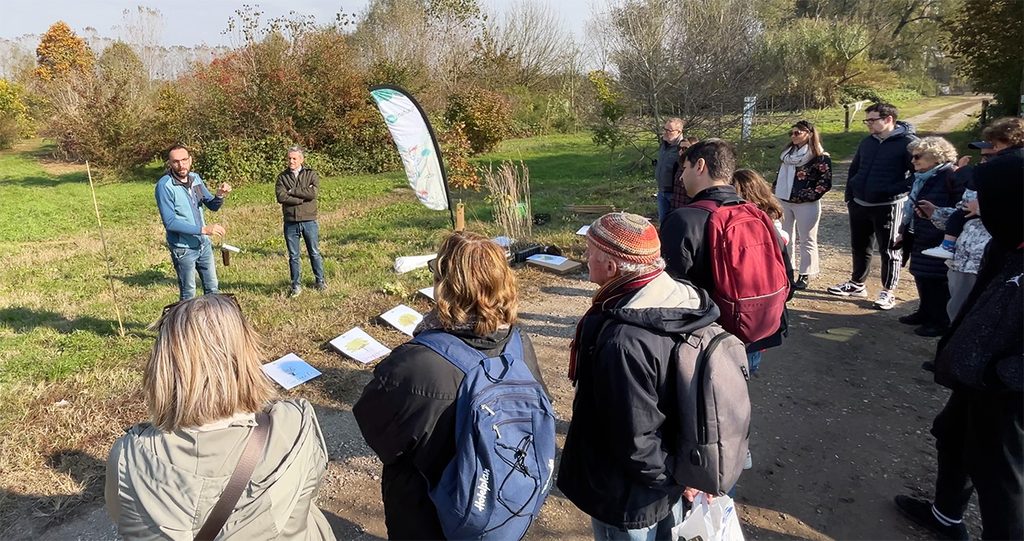
The voice of the field: the experience with Oliviero Spettoli
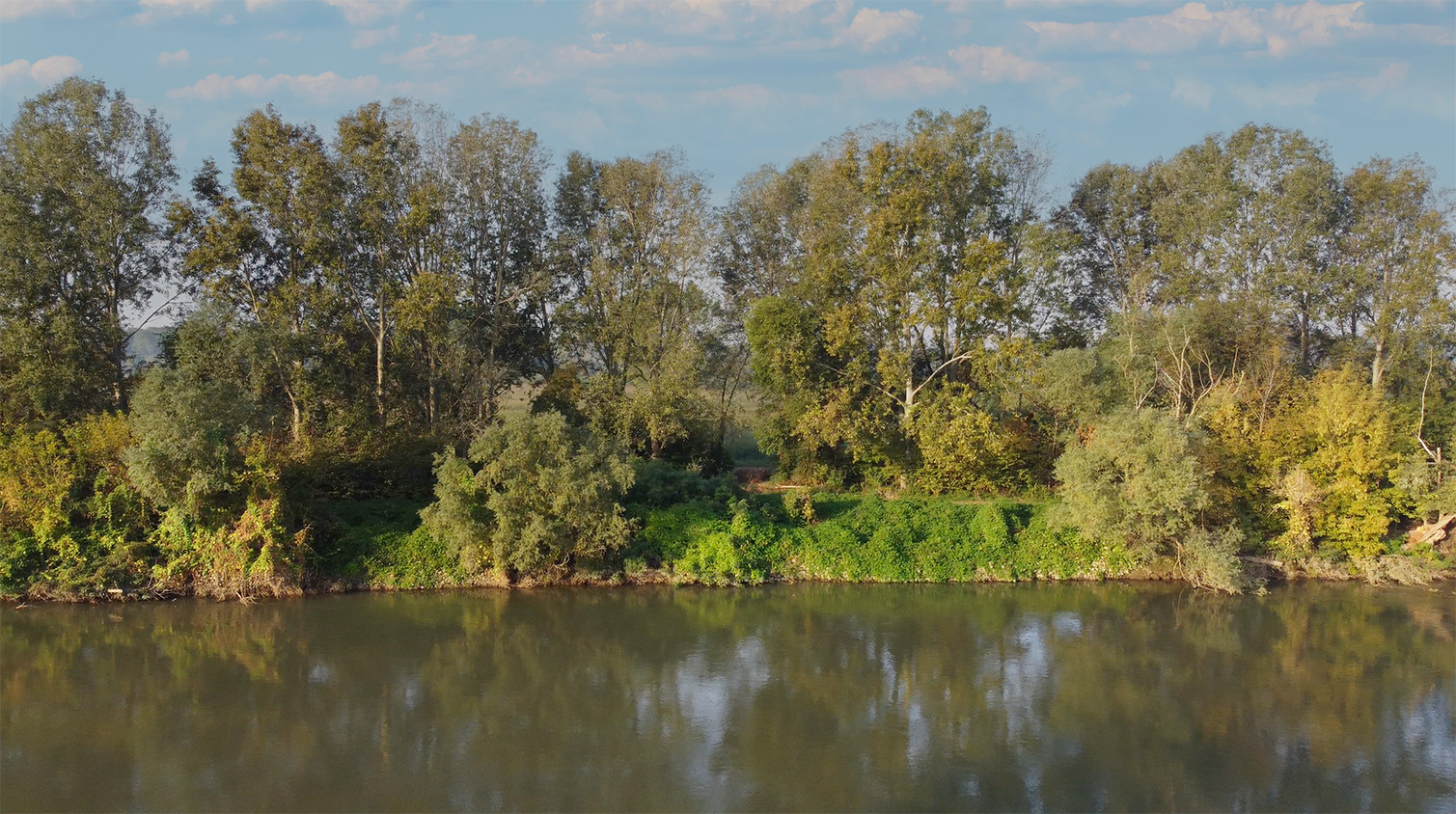
To understand the deep value of these interventions, we went to talk directly with those who work to protect the territory every day. In the Oglio Sud Regional Park, the environmental restoration project made it possible to recover an oxbow lake. An oxbow lake is simply a portion of the river’s old bed that, during floods, can take in excess water and create an important wetland.
Over time, the accumulation of sediments and intensive agriculture had compromised this area. As Oliviero Spettoli, officer of the Oglio Sud Regional Park, explains, this intervention literally meant turning back the clock:
“The aim was to renaturalise, or rather to turn back the clock and return the wetland to its original characteristics. The oxbow lake was excavated, with the bottom material removed, and species typical of wetlands were planted, such as alder, white willow and pedunculate oak in the cooler areas. The fundamental aspect is the protection of biodiversity and of the connections between species, as well as the control of invasive plants that replace the native vegetation.” — Oliviero Spettoli, Officer of the Oglio Sud Regional Park.
Oliviero Spettoli reminds us that these works, although seemingly small in size, have enormous intrinsic value as a memory and an example for future generations, stimulating curiosity so that in the future someone may take up the work and carry it on at an even larger scale.
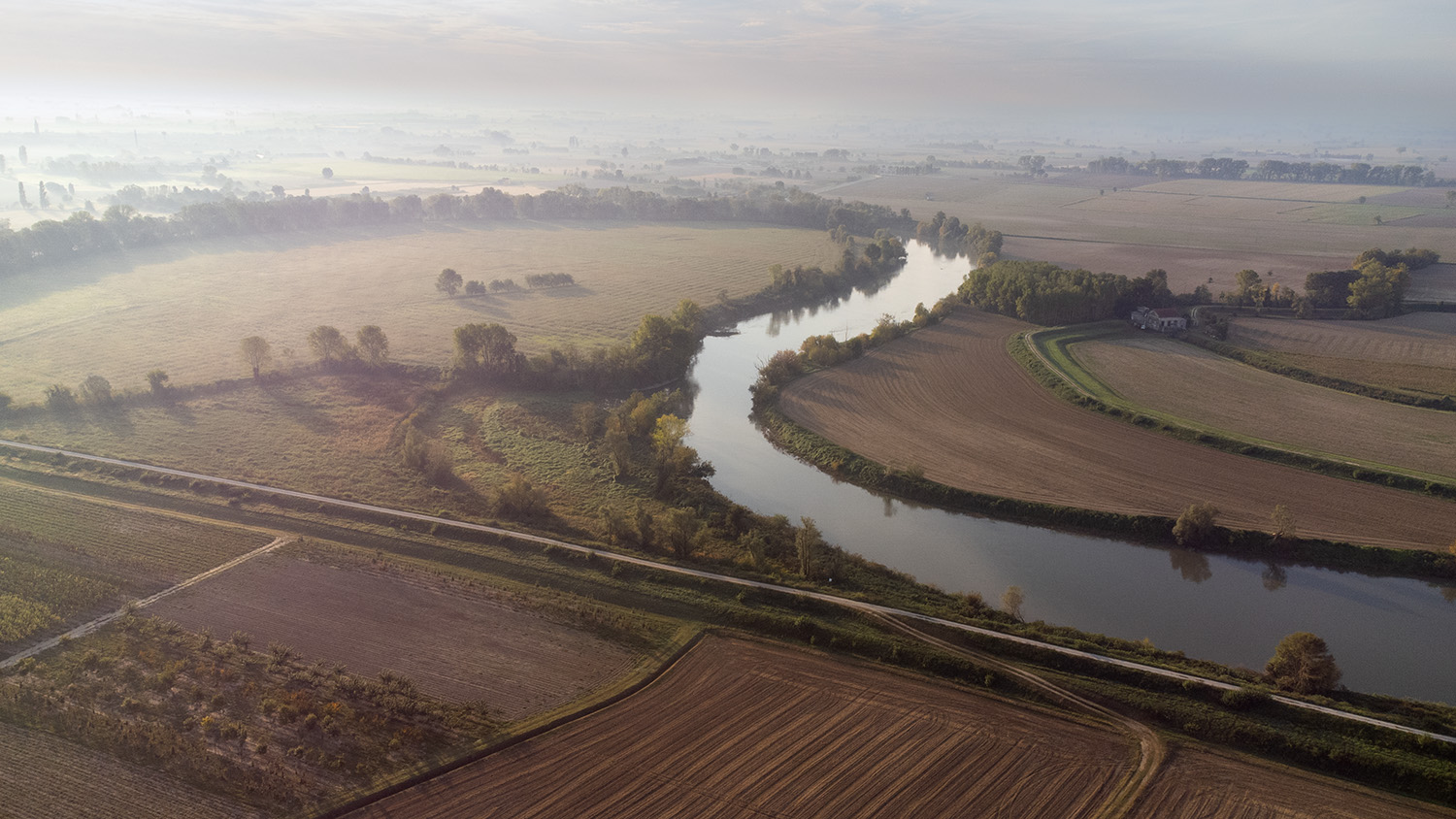
Collective Action: protecting the basins of large rivers
Water does not respect administrative boundaries or private property: the clean water that reaches the valley depends entirely on how we manage the land upstream.
For this reason we promote Collective Action (collective action for the environment), a systemic approach that brings local authorities, businesses, farmers and people around the same table to tackle the water challenge together. It is a model we are applying along the basins of large Italian rivers such as the Po and the Arno.
When companies and citizens support planting projects upstream, they fund a shared green infrastructure. Those who benefit from the water contribute directly to protecting the forests of the entire water basin, ensuring hydrogeological safety for the whole community.
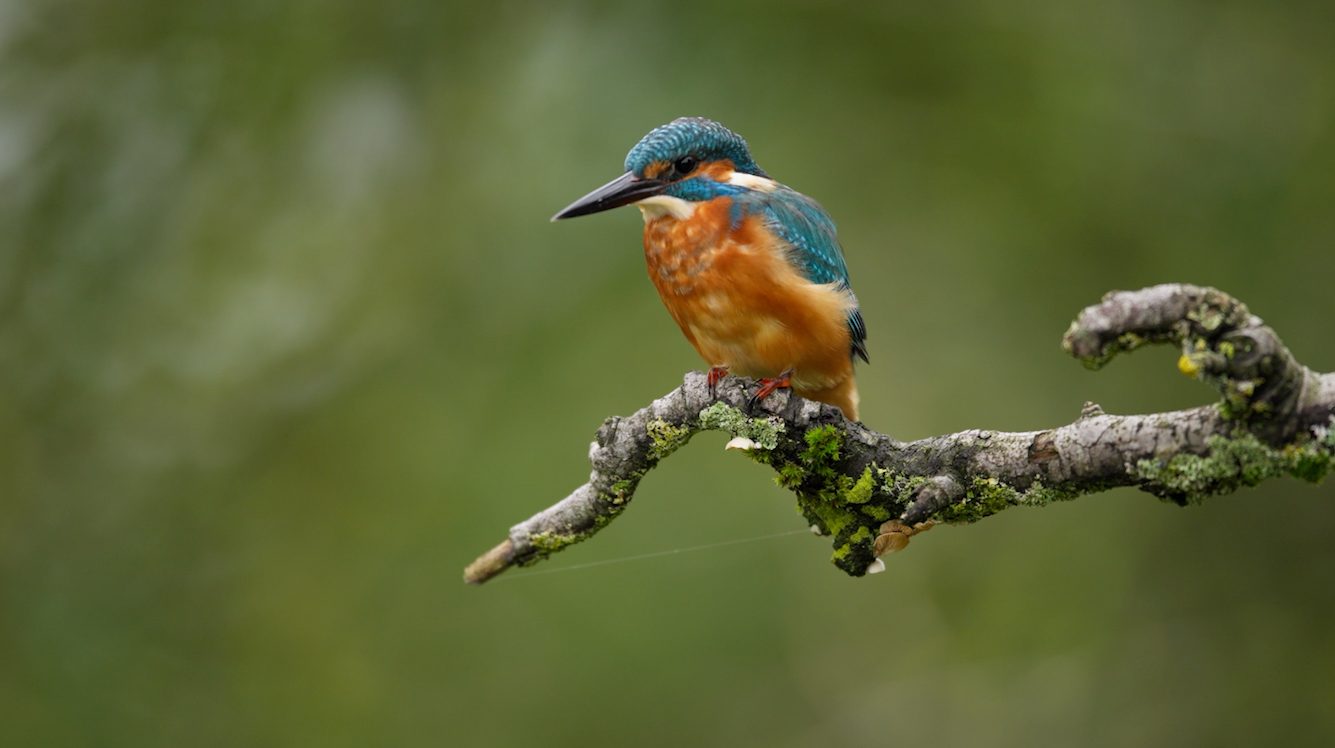
Watch the full video and take action
Do you want to discover the graphic animations on how the forest sponge works and listen to the full interview with Oliviero Spettoli of the Oglio Sud Regional Park?
In the new episode of our series Forest Effect we take a close look at how trees protect the planet’s water resources and show you the reforestation sites carried out along the rivers of Lombardy.
A forest is the most efficient and cost-effective water protection and supply technology we have available. Investing in the active management of woodlands means ensuring the safety and quality of water for our future.
Find out more about the ecosystem services that forests provide every day and adopt a tree with WOWnature to concretely support the creation of new woods and protect our territory’s water reserves!