On March 21, we celebrate International Day of Forests around the world, established by the United Nations to remind us how precious forest ecosystems are. Forests give us water, wood, food and medicine, regulate the climate and shelter most of the planet’s terrestrial biodiversity. Every year the Day has a different theme, but the message stays the same: without healthy forests there is no future for people.
For us nature lovers, it is a good way to remember how precious they are. Here are 5 reasons to protect forests, which are critical to our survival. Together, we can restore the balance between people and nature.
1. They cover one-third of the earth’s surface
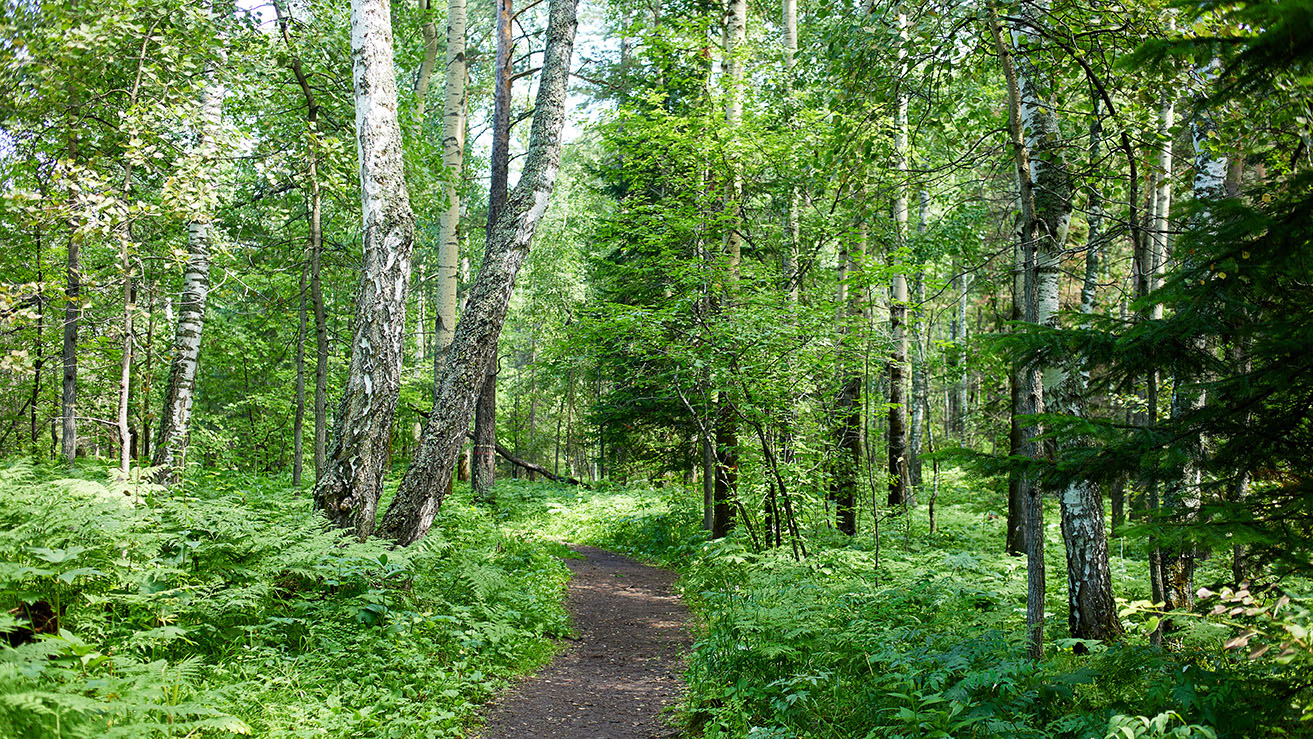
Forests make our planet unique and cover about one-third of its surface. This means that forests are found on every continent, with the exception of the polar regions. Forests vary widely, depending on climate, soil type and the species of plants and animals that inhabit them, but they remain essential to the continuity of life on Earth. The world’s largest forest is the Amazon, which spans nine countries-Brazil, Peru, Colombia, Venezuela, Ecuador, Bolivia, Guyana, Suriname, and French Guiana. It covers an area of about 6.7 million square kilometers, accounting for about 40 percent of the world’s remaining tropical rainforests.

2. They are home to more than 80 percent of the Earth’s animal and plant species
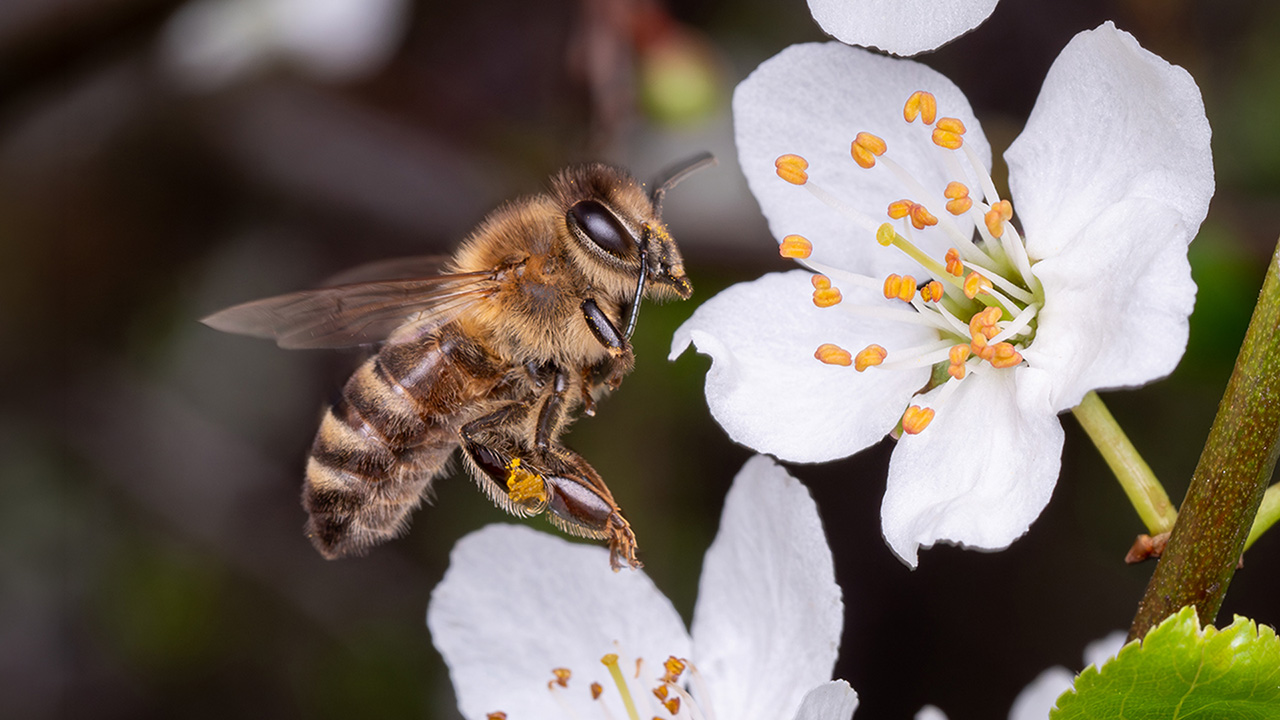
Forests are home to 80% of both animal and plant species because they are complex and diverse environments that provide habitats and resources for a wide variety of species. In particular, forests are characterized by a great biodiversity of plants, trees, and shrubs, creating an environment rich in microclimates, habitats, and ecological niches. They also provide food and shelter for numerous animals, such as birds, mammals, insects and reptiles. At the same time, forest animals play a key role in plant seed dispersal and pollination, thus helping to ensure plant reproduction and our survival.

3. They produce about 20% of the oxygen in the atmosphere
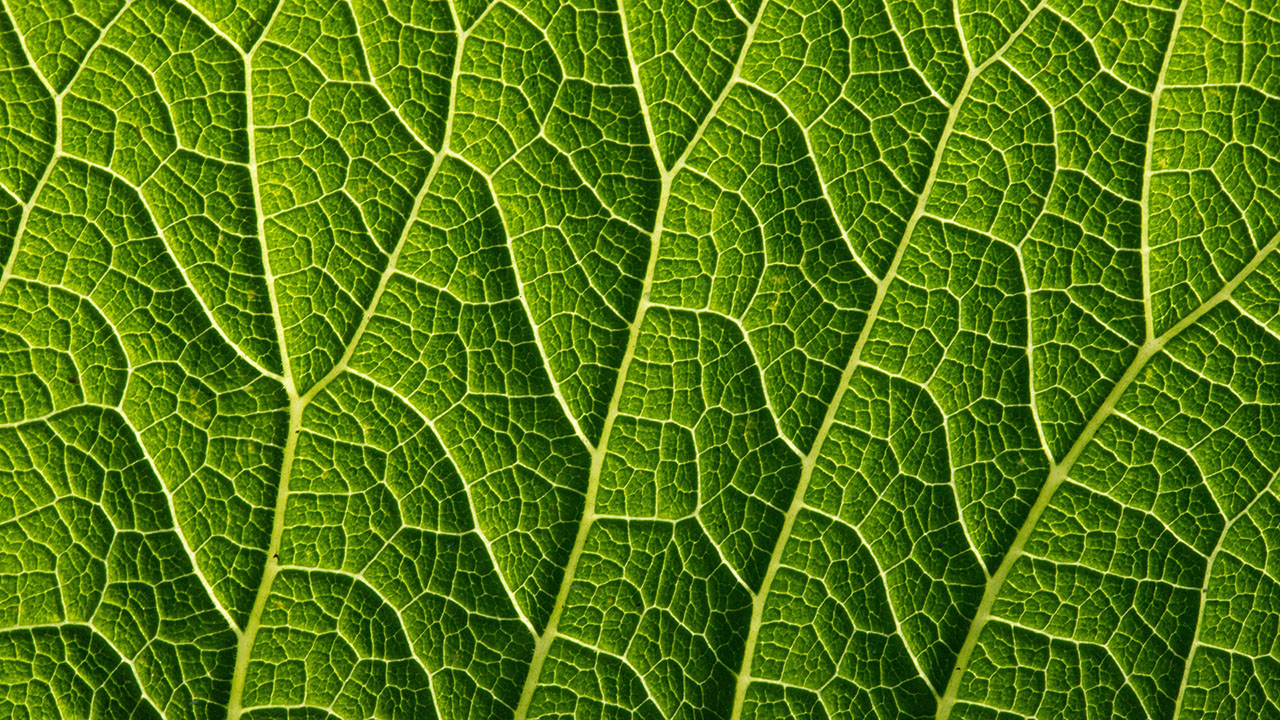
The credit goes to chlorophyll photosynthesis: through their leaves, trees absorb carbon dioxide (CO₂) from the atmosphere and, thanks to sunlight and water, turn it into sugars, which they use as food and to build wood, roots and leaves. The carbon stays stored in the plant, while oxygen is released into the air: this is the process that allows us to breathe and that makes forests valuable allies against the climate crisis. Forests produce about 20% of the oxygen in the atmosphere, while much of the rest comes from the oceans.
Trees have another role too: their leaves capture fine particulate matter (PM10 and PM2.5), which settles on their surface. When it rains, these particles are washed off and end up in the soil and in ditches. So it is not accurate to say that trees “clean” the air, but they do reduce the amount of particulate matter we breathe, which is a real help in areas with high pollution, such as the Po Valley. Just 15 minutes in a forest is enough to feel better: the effects of trees on our health are well documented, from lower stress to better mental well-being.

4. They regulate the global climate
Forests play a fundamental role in regulating the climate: they absorb large amounts of carbon dioxide (CO₂) from the atmosphere through photosynthesis and, every year, remove about one-third of the emissions produced by fossil fuels, a contribution exceeded only by the oceans. The Amazon alone stores between 550 and 730 billion tonnes of CO₂.
On a large scale, forests also help mitigate the climate by releasing large amounts of water vapor into the atmosphere through transpiration: this process contributes to the formation of rain and has a cooling effect on the surrounding environment, because energy is needed to evaporate water from leaves and soil.
Trees also protect water and soil: their roots consolidate the ground, reduce the risk of landslides and erosion, and help counter drought and desertification. At Bosco Limite, the infiltration forest we created in the province of Padua, trees allow more than one million cubic meters of water to infiltrate the aquifer every year. In cities, finally, they are the first line of defense against urban heat islands, which can raise temperatures by 4-6 °C compared with the surrounding rural areas.

5. They are at risk, but you can help them
Forests are at risk due to a combination of factors, including deforestation, fires, desertification, expansion of urban and agricultural areas, and more. According to the United Nations, we lost about 178 million hectares of forests between 1990 and 2020, equal to the area of Libya. In the Amazon alone, more than 30,000 fires were recorded in 2024, and about 99% of them were caused by human activity. What can you do? Grow new trees and protect existing forests with us.
Take action: help us grow new forests
Forest conservation is critical to combat the climate crisis and protect biodiversity. Protecting them is a choice we can make every day: choosing FSC-certified products, avoiding waste of paper and wood, and raising awareness among the people around us about the importance of trees and forests. But we can do even more.
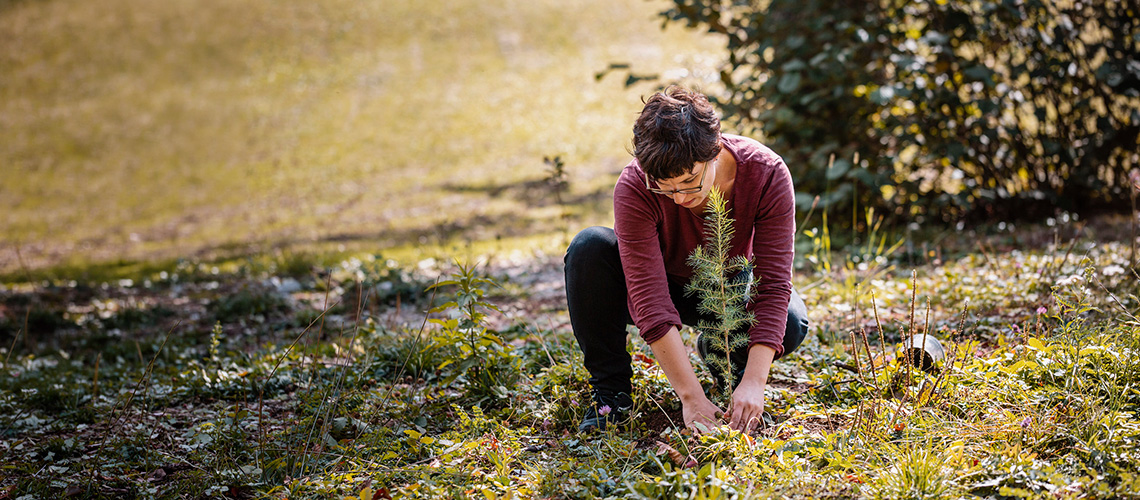
With WOWnature you can adopt or gift a tree and support reforestation and protection projects in Italy and around the world: every tree is followed by forestry experts and featured in the updates of our projects. At our planting events you can also plant new trees in person with us.